Perusta sinäkin oma Blogaaja.fi blogi ilmaiseksi >>
Lainaa.com

Top Wellness Clinics for Endolift in Dubai

Modern aesthetic treatments have made it possible for individuals to address skin laxity, facial contouring, and signs of ageing through minimally invasive procedures. Endolift is one such treatment that has attracted attention for its ability to improve skin firmness and support facial definition without traditional surgical lifting. It uses specialised laser technology delivered through an ultra-thin optical fibre beneath the skin to stimulate collagen production and target selected areas of unwanted fat.

People considering Endolift often look for a clinic that combines appropriate medical expertise, advanced technology, personalised treatment planning, and reliable patient care. Choosing the right provider is particularly important because treatment suitability, technique, and expected outcomes can vary depending on individual anatomy and skin condition.

When exploring options for Endolift in Dubai, patients may come across several aesthetic centres offering non-surgical and minimally invasive treatments. However, selecting a clinic should involve more than simply comparing available procedures. The qualifications of the treating professional, consultation process, safety protocols, and approach to individual needs all deserve careful consideration.

Among the clinics to explore are Enfield Royal Clinic, Tajmeels Clinic, and Dynamic Life Clinic. Each offers an opportunity for prospective patients to research aesthetic treatment options and understand the importance of professional guidance before making a decision.

Clinics Offering Endolift Treatment

Dynamic Life Clinic

Dynamic Life Clinic is one of the aesthetic healthcare providers that prospective patients may consider when researching skin rejuvenation and facial contouring procedures. Individuals exploring Endolift in Dubai can look into the clinic’s aesthetic services to understand whether its treatment approach aligns with their personal goals.

Endolift is designed to address concerns such as mild to moderate skin laxity and selected areas of localised fat. A professional assessment helps determine whether the procedure is appropriate for the patient’s facial structure, skin quality, and desired improvements.

Important aspects to explore when considering Dynamic Life Clinic include:

  • Availability of appropriate laser-based aesthetic technology.

  • Qualifications and experience of the treating professional.

  • Individual assessment before treatment.

  • Clear explanations of the procedure and expected outcomes.

  • Professional monitoring and patient support.

Understanding these factors can help individuals make informed decisions rather than choosing a procedure based solely on its popularity.

Enfield Royal Clinic

Enfield Royal Clinic is an aesthetic healthcare provider that individuals can consider when researching advanced facial rejuvenation and body contouring treatments. The clinic offers a range of cosmetic procedures designed to address different aesthetic concerns and individual preferences.

For patients considering Endolift in Dubai, an important part of the treatment journey is understanding how laser energy can support collagen stimulation and improve the appearance of skin firmness. The procedure uses a fine optical fibre introduced beneath the skin to deliver controlled laser energy to targeted areas.

Potential treatment goals may include:

  • Improving the appearance of loose facial skin.

  • Supporting better jawline definition.

  • Addressing selected areas of localised fat.

  • Enhancing the appearance of the lower face and neck.

  • Encouraging natural collagen production.

  • Improving overall facial contours.

A personalised consultation at Enfield Royal Clinic can help individuals understand whether Endolift is suitable for their concerns. Treatment planning should consider skin condition, facial anatomy, medical history, and realistic expectations.

The clinic’s approach to aesthetic care should also be evaluated through the qualifications of the treating professional, the technology used, consultation standards, and the availability of appropriate follow-up support. These considerations help patients make confident and informed decisions about their treatment journey.

Tajmeels Clinic

Tajmeels Clinic is another aesthetic provider that individuals may explore when researching facial rejuvenation and minimally invasive cosmetic procedures. Patients interested in improving skin firmness or facial definition can investigate its available aesthetic services and consultation options.

For those researching Endolift in Dubai, understanding the treatment process is an important part of selecting an appropriate provider. Endolift uses laser-assisted technology to target specific tissue layers while supporting collagen remodelling.

Individuals considering Tajmeels Clinic may wish to evaluate several aspects of its aesthetic services:

  • Experience with minimally invasive cosmetic procedures.

  • Availability of suitable laser technology.

  • Professional assessment of facial and skin concerns.

  • Individualised treatment recommendations.

  • Clear communication about treatment limitations and recovery expectations.

A detailed consultation can help patients understand whether Endolift or another approach is more appropriate for their aesthetic goals. Treatment decisions should always be based on individual needs and professional recommendations rather than general treatment claims.

How to Choose the Right Clinic for Endolift in Dubai

Selecting an appropriate clinic involves evaluating several important factors. Since Endolift requires specialised equipment and knowledge of facial anatomy, patients should take time to research their options before proceeding.

Experience and Qualifications

The qualifications and practical experience of the treating professional are essential considerations. Patients should check whether the practitioner has relevant training in laser-based aesthetic procedures and experience with minimally invasive treatments.

Understanding the professional’s approach to patient assessment can also provide insight into the quality of care.

Technology and Techniques

Endolift relies on specialised laser technology and fine optical fibres. Patients should ask about the equipment being used, its suitability for the intended treatment area, and whether the procedure follows established safety protocols.

The clinic should also explain how treatment techniques are selected according to individual anatomical requirements.

Safety Standards

Safety should remain a priority throughout the treatment process. A suitable clinic should maintain appropriate hygiene standards, use properly maintained equipment, and follow established medical protocols.

Patients should also receive clear information about eligibility, potential limitations, and the importance of professional supervision.

Consultation Process

A comprehensive consultation allows the practitioner to assess skin laxity, facial structure, treatment goals, and relevant medical history.

During this appointment, patients should have the opportunity to ask questions about:

  • How Endolift works.

  • Which areas can be treated.

  • Whether the procedure is suitable for their concerns.

  • What the treatment process involves.

  • When improvements may become noticeable.

  • Whether additional sessions may be recommended.

Patient Experience

Communication and patient support can influence the overall treatment experience. A professional clinic should provide clear instructions, answer questions, and explain what patients can realistically expect.

Patients can also explore verified feedback to understand how the clinic approaches consultations and ongoing care.

Expected Results

Endolift outcomes depend on several individual factors, including skin elasticity, age-related changes, treatment area, and the technique used.

Patients should understand that the procedure does not produce identical results for everyone. A responsible practitioner will discuss realistic improvements rather than promise dramatic or guaranteed outcomes.

Frequently Asked Questions

What Is Endolift Treatment?

Endolift is a minimally invasive laser-based aesthetic procedure that uses a thin optical fibre beneath the skin. It delivers controlled laser energy to targeted tissues to encourage collagen production, improve skin firmness, and support facial contouring.

Which Areas Can Endolift Treat?

Endolift may be used on selected facial and body areas, depending on individual suitability. Common treatment areas include the lower face, jawline, chin, neck, and certain areas with localised fat deposits.

How Long Does an Endolift Procedure Take?

Treatment duration depends on the number of areas being addressed and the complexity of the procedure. A practitioner can provide a more accurate estimate after assessing the patient’s treatment requirements.

When Do Endolift Results Become Visible?

Some individuals may notice initial changes relatively soon after treatment. However, collagen remodelling develops gradually, meaning improvements in skin firmness and definition can become more noticeable over the following weeks and months.

Is Endolift Suitable for Everyone?

No. Suitability depends on skin condition, degree of laxity, medical history, anatomy, and individual aesthetic goals. A professional consultation is necessary to determine whether Endolift is an appropriate option or whether another treatment would be more suitable.

Conclusion

Choosing an appropriate aesthetic provider requires careful research, professional guidance, and an understanding of individual treatment needs. Dynamic Life Clinic, Tajmeels Clinic, and Enfield Royal Clinic are among the providers patients can explore when researching facial rejuvenation options.

Before proceeding with Endolift in Dubai, individuals should evaluate practitioner qualifications, laser technology, safety standards, consultation quality, and realistic treatment expectations. A personalised assessment helps establish whether the procedure aligns with their aesthetic goals and supports a more informed decision-making process.

Top-Ranked Providers of Fractional RF Microneedling in Dubai

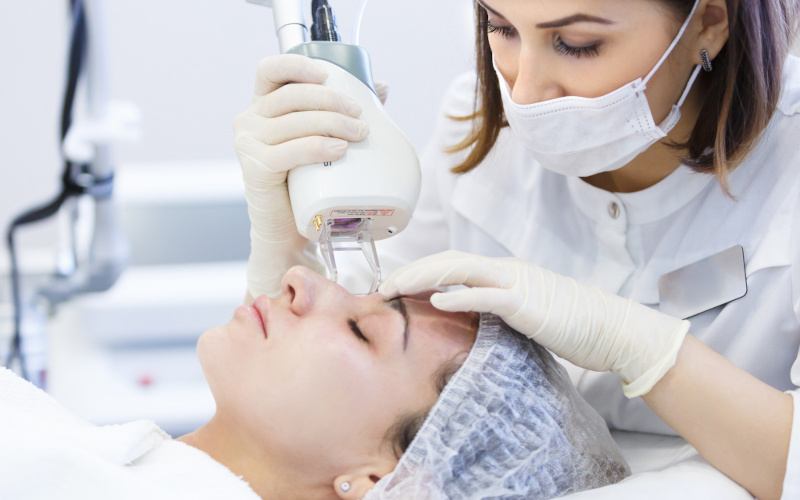
kin concerns such as acne scars, enlarged pores, uneven skin texture, fine lines, and loss of firmness can affect the overall appearance of the face and body. As aesthetic skincare continues to advance, treatments that combine controlled skin stimulation with modern technology have become increasingly popular. Fractional radiofrequency (RF) microneedling is one such approach, designed to improve skin texture and support collagen production through a combination of microneedles and radiofrequency energy. People considering Fractional RF Microneedling in Dubai often look for experienced aesthetic providers who understand different skin types, individual concerns, and appropriate treatment techniques. The procedure combines tiny needles with controlled RF energy to deliver thermal stimulation into selected skin layers. This process encourages the body’s natural repair response and supports the production of collagen and elastin. Choosing a suitable clinic involves more than considering the equipment available. Treatment planning, practitioner qualifications, hygiene standards, consultation quality, and realistic expectations all contribute to the overall experience. Different individuals may require different treatment approaches depending on their skin condition, treatment area, and desired improvements. Dubai has several aesthetic facilities offering advanced skincare services. Enfield Royal Clinic, Tajmeels Clinic, and Dynamic Life Clinic are among the providers worth exploring when researching fractional RF microneedling options. Understanding their services and evaluating their approach can help individuals make informed decisions about their skincare journey.

Clinics Offering Fractional RF Microneedling Treatments

Selecting an aesthetic provider requires attention to the treatment approach, consultation process, and professional standards. The following clinics offer options worth considering when researching advanced skin rejuvenation services.

Dynamic Life Clinic

Dynamic Life Clinic is one of the aesthetic facilities individuals may consider when exploring modern skin rejuvenation treatments. Its aesthetic services provide an option for people interested in addressing visible skin concerns through non-surgical approaches. Fractional RF microneedling is relevant to individuals who want to improve concerns such as uneven skin texture, enlarged pores, acne scarring, and early signs of ageing. The combination of microneedling and radiofrequency energy is designed to stimulate the skin’s natural collagen-producing processes. When considering this treatment, individuals can discuss their skin condition, treatment goals, and suitability during a professional consultation. Understanding the technology, treatment parameters, and expected recovery period is important before proceeding.

Enfield Royal Clinic

Enfield Royal Clinic is an aesthetic healthcare provider that offers a range of cosmetic and skincare treatments for individuals interested in improving their appearance through modern techniques. The clinic is worth considering for those researching advanced skin rejuvenation options and personalised treatment planning. Individuals exploring Fractional RF Microneedling in Dubai may consider the clinic when looking for an approach that addresses multiple skin concerns. The treatment combines fine microneedles with radiofrequency energy to create controlled stimulation within the skin. This encourages collagen remodelling and can gradually improve skin texture, firmness, and the appearance of certain scars. The treatment may be considered for concerns such as:
  • Acne scars and uneven skin texture.
  • Enlarged pores and rough skin surfaces.
  • Fine lines and early wrinkles.
  • Mild skin laxity.
  • Uneven skin appearance.
  • Reduced skin firmness.
A professional consultation helps determine whether fractional RF microneedling is appropriate for an individual’s skin condition. Treatment planning should consider the depth of the skin concern, the areas being addressed, and the person’s aesthetic goals. The importance of personalised assessment is particularly relevant because different skin concerns may require different needle depths and energy settings. Understanding these factors can help individuals make informed decisions about their treatment options.

Tajmeels Clinic

Tajmeels Clinic is another aesthetic provider that individuals may explore when researching skincare and non-surgical rejuvenation services. People interested in improving skin quality often look for facilities that provide treatment options suited to their specific concerns. Fractional RF microneedling is an option worth discussing for individuals experiencing acne scars, visible pores, fine lines, or uneven skin texture. The technology combines mechanical stimulation from microneedles with radiofrequency energy to target selected skin layers. Those researching Fractional RF Microneedling in Dubai should consider discussing the available equipment, practitioner experience, and treatment protocols with the clinic before making a decision. A detailed consultation can also help establish whether the procedure is suitable or whether another skin rejuvenation approach may better address the individual’s concerns.

How to Choose the Right Clinic for Fractional RF Microneedling in Dubai

Choosing an appropriate aesthetic provider is an important part of the treatment journey. Since fractional RF microneedling involves controlled penetration of the skin and the delivery of thermal energy, individuals should carefully evaluate the clinic’s professional standards and treatment approach.

Experience and Qualifications

Practitioner experience is an important consideration when selecting an aesthetic facility. Individuals should check whether the treatment is performed by appropriately qualified and licensed professionals. Knowledge of skin anatomy, different skin conditions, and RF microneedling techniques helps practitioners determine suitable treatment settings. Experience with different skin types is also valuable when developing an individual treatment plan.

Technology and Techniques

Not all RF microneedling devices operate in exactly the same way. Equipment may differ in needle configuration, energy delivery, penetration depth, and treatment capabilities. Before choosing a clinic, individuals should ask about:
  • The type of RF microneedling device being used.
  • Whether needle depth can be adjusted.
  • How radiofrequency energy is controlled.
  • Whether the equipment is appropriately maintained.
  • How the technique is adapted to different treatment areas.
Understanding these details provides a clearer picture of the technology being used.

Safety Standards

Hygiene and infection-control practices are essential for procedures involving needles. A suitable clinic should follow appropriate sterilisation protocols and use sterile, single-use needle cartridges where required by the device manufacturer. The treatment environment should be clean, and the practitioner should explain the procedure, preparation requirements, and expected recovery process. Individuals should also disclose relevant skin conditions, medications, previous procedures, and any history of unusual skin reactions during their consultation.

Consultation Process

A comprehensive consultation helps determine whether the treatment is suitable for the individual’s concerns. During the assessment, the practitioner may examine:
  • Skin texture and overall condition.
  • Acne scars and their depth.
  • Pore visibility.
  • Fine lines and wrinkles.
  • Skin firmness and elasticity.
  • The areas requiring treatment.
The consultation should also provide an opportunity to discuss treatment settings, the recommended number of sessions, and realistic outcomes.

Patient Experience

A positive treatment experience depends on clear communication and professional care. Individuals should feel comfortable asking questions about the procedure, equipment, treatment plan, and recovery period. A clinic should explain each stage of the process rather than making unrealistic promises about results. Clear instructions and appropriate follow-up arrangements can also contribute to a more informed experience.

Expected Results

Fractional RF microneedling works gradually by stimulating collagen remodelling. Improvements may become more noticeable over several weeks as the skin responds to treatment. Results vary according to skin condition, treatment settings, age, and individual healing responses. Some people may require multiple sessions to achieve their desired improvements. A qualified practitioner should explain which concerns are likely to respond to treatment and which may require alternative approaches.

Frequently Asked Questions

What Is Fractional RF Microneedling Used For?

Fractional RF microneedling is used to improve various skin concerns, including acne scars, enlarged pores, fine lines, uneven texture, and mild skin laxity. It combines microneedling with radiofrequency energy to stimulate collagen production and support skin remodelling.

How Does Fractional RF Microneedling Work?

The procedure uses fine needles to create controlled microchannels in selected skin layers. Radiofrequency energy is delivered through the needles, producing controlled thermal stimulation. This encourages the skin’s natural repair processes and supports collagen and elastin production.

How Many Sessions Are Needed for Fractional RF Microneedling?

The number of sessions depends on the individual’s skin condition, treatment goals, and the severity of the concern. Some individuals may benefit from multiple sessions spaced several weeks apart. A practitioner determines the appropriate treatment schedule after assessing the skin.

When Do Results From Fractional RF Microneedling Become Visible?

Some individuals may notice early changes in skin texture within a few weeks. More gradual improvements can develop over the following months as collagen remodelling takes place. The timeline varies depending on individual skin characteristics and treatment settings.

Is Fractional RF Microneedling Suitable for All Skin Types?

Fractional RF microneedling may be suitable for various skin types, but individual assessment is necessary. Skin sensitivity, active infections, inflammatory conditions, pigmentation concerns, and medical history can influence treatment suitability. A qualified practitioner should evaluate the skin before recommending the procedure.

Conclusion

Fractional RF Microneedling is an advanced skin rejuvenation approach that combines microneedling and radiofrequency technology to address concerns such as acne scars, enlarged pores, fine lines, and uneven texture. Its ability to stimulate collagen production makes it an option for individuals interested in improving overall skin quality without conventional surgery. When researching Fractional RF Microneedling in Dubai, individuals can explore providers such as Enfield Royal Clinic, Tajmeels Clinic, and Dynamic Life Clinic. However, the right choice should depend on practitioner qualifications, equipment, hygiene standards, consultation quality, and personalised treatment planning. A professional skin assessment and realistic expectations are essential for making an informed decision about the treatment.

Best Clinics for Aqualyx Injection in Dubai

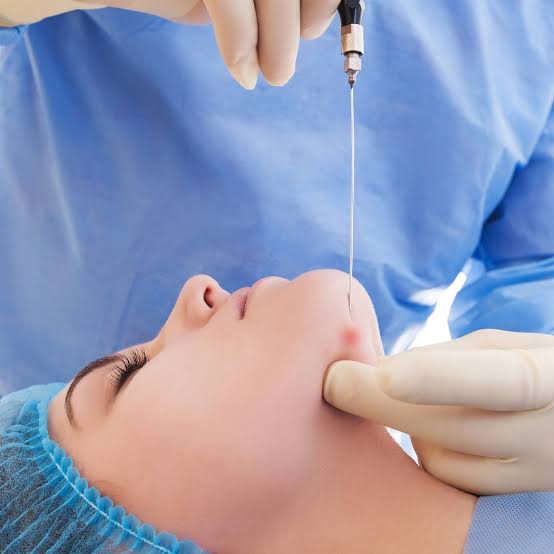
Aqualyx injections have become an option for individuals seeking to address stubborn pockets of localized fat that remain despite maintaining a balanced lifestyle. This injectable treatment is designed to target specific areas of unwanted fat and support a more defined body contour without traditional surgical fat-removal procedures. Choosing an appropriate clinic is an important part of the process, as treatment suitability, practitioner experience, and consultation quality can influence the overall patient experience.

When exploring Aqualyx Injection in Dubai individuals may come across several aesthetic clinics offering body-contouring treatments. However, not every clinic follows the same consultation approach, treatment protocols, or patient-care standards. Understanding these differences can help individuals make a more informed decision.

A suitable clinic should prioritize an individual assessment rather than recommending the same treatment approach to everyone. Factors such as the treatment area, amount of localized fat, skin condition, and personal expectations should be considered before proceeding. Patients should also have an opportunity to discuss how the injectable treatment works and what kind of results may realistically be expected.

Dubai offers different aesthetic healthcare facilities where patients can explore injectable body-contouring options. Enfield Royal Clinic, Tajmeels Clinic, and Dynamic Life Clinic are among the names individuals may consider when researching available treatment options. Reviewing each clinic’s approach can help narrow down the choices.

Clinics to Consider for Aqualyx Treatment

Selecting a clinic involves more than comparing treatment descriptions. The qualifications of the practitioner, consultation process, hygiene standards, and commitment to patient education are equally important. The following clinics provide options worth exploring when researching aesthetic treatments.

Dynamic Life Clinic

Dynamic Life Clinic is another aesthetic healthcare facility that individuals may explore when considering injectable treatments for localized fat reduction. Patients researching body-contouring options can use their consultation to understand whether an injectable approach is appropriate for their specific concerns.

An important part of choosing a provider is understanding how the treatment plan is developed. Individuals considering Aqualyx should discuss the areas they want to address, their body-contouring goals, and whether their expectations are suitable for an injectable procedure.

Before making a decision, prospective patients should ask about:

  • The practitioner’s qualifications and experience with injectable treatments.

  • How treatment suitability is evaluated.

  • The assessment process for different body areas.

  • The expected treatment schedule.

  • The approach used to monitor progress.

A detailed consultation can help individuals understand the treatment process and decide whether the clinic meets their expectations for professional care.

Enfield Royal Clinic

Enfield Royal Clinic is a name individuals may consider when researching aesthetic and cosmetic treatments in Dubai. Patients exploring Aqualyx Injection in Dubai can enquire about treatment suitability, consultation arrangements, and the approach used for localized fat reduction.

A personalized assessment is particularly important for injectable body-contouring procedures. Different individuals have different fat distribution patterns, skin conditions, and aesthetic goals. Therefore, a suitable treatment plan should consider the patient’s individual anatomy rather than relying on a standard approach.

At Enfield Royal Clinic, prospective patients can explore their treatment concerns during a consultation and discuss the areas they wish to improve. Understanding the procedure, expected outcomes, and treatment requirements can help them approach their decision with greater confidence.

Patients may wish to discuss the following during their appointment:

  • Whether Aqualyx is appropriate for their targeted fat deposits.

  • Which body areas may be suitable for treatment.

  • How the injection procedure is performed.

  • What kind of improvement may be realistic.

  • How progress is evaluated after treatment.

Clear communication and an individualized consultation are valuable when considering any cosmetic injectable. Patients should feel comfortable asking questions and understanding the proposed treatment before making a decision.

Tajmeels Clinic

Tajmeels Clinic is another facility individuals can explore when comparing aesthetic treatment providers in Dubai. People interested in non-surgical body-contouring procedures may enquire about its available injectable services and consultation options.

Aqualyx is generally considered for localized fat deposits rather than overall weight reduction. For this reason, patients should understand whether their concerns are related to small, resistant fat pockets or broader body-weight management goals.

When exploring Aqualyx Injection in Dubai, individuals should pay attention to how a clinic evaluates treatment candidates. A professional assessment should consider the patient’s goals, targeted areas, medical history, and overall suitability.

Patients researching Tajmeels Clinic may want to ask about practitioner credentials, the products used, treatment protocols, and the expected timeline for visible changes.

A consultation also provides an opportunity to understand whether an injectable treatment is the most appropriate option or whether another approach would better address the patient’s concerns.

How to Choose the Right Clinic for Aqualyx Injection in Dubai

Finding an appropriate aesthetic clinic requires careful consideration. While treatment availability is important, patients should also evaluate the standards of care and the quality of information provided during the consultation.

Experience and Qualifications

The practitioner’s qualifications and experience should be among the first considerations. Patients should verify that the professional performing the injections has appropriate medical credentials and experience with injectable fat-dissolving procedures.

Experience with different treatment areas can also help practitioners assess individual anatomy and develop suitable treatment plans.

Technology and Techniques

Patients should understand the product being used and the treatment technique involved. A clinic should be able to explain the procedure, the injection approach, and how treatment suitability is determined.

It is also helpful to ask whether the clinic follows established protocols for product handling and administration.

Safety Standards

Professional hygiene and patient-care standards are essential when choosing an aesthetic provider. Treatment rooms should follow appropriate infection-control procedures, and products should be handled and administered according to relevant guidelines.

Patients should also receive clear information about the procedure and any considerations relevant to their individual circumstances.

Consultation Process

A thorough consultation helps determine whether Aqualyx is appropriate for a particular individual. The practitioner should evaluate the targeted area, discuss aesthetic expectations, and review relevant medical history.

Patients should avoid making decisions based solely on promotional descriptions or promised outcomes.

Patient Experience

Communication, transparency, and professional support contribute to a positive patient experience. Individuals should feel that their questions are answered clearly and that their concerns are taken seriously.

A clinic that provides understandable treatment information can help patients make informed decisions.

Expected Results

Aqualyx is intended to address localized fat deposits, not replace weight-management strategies. Results can vary depending on the treated area, individual characteristics, and treatment plan.

Patients should ask how improvement is assessed and what kind of outcome is realistic for their specific goals.

Frequently Asked Questions

What Is Aqualyx Injection Used For?

Aqualyx is an injectable treatment designed to target localized fat deposits in selected body areas. It is generally considered by individuals who want to improve body contours rather than achieve significant overall weight loss.

Which Areas Can Be Treated With Aqualyx?

Depending on individual suitability and the practitioner’s assessment, Aqualyx may be considered for areas such as the chin, abdomen, thighs, hips, and flanks. Not every area is appropriate for every patient.

How Long Does It Take to See Aqualyx Results?

Visible changes generally develop gradually rather than immediately. The timeline varies according to the treated area, individual response, and recommended treatment plan.

How Many Aqualyx Sessions Are Needed?

The number of sessions depends on the amount of localized fat, the treatment area, and individual goals. A qualified practitioner can recommend an appropriate schedule after assessing the patient.

Is Aqualyx Suitable for Everyone?

No. Aqualyx is not suitable for everyone. Individuals should undergo a professional consultation to evaluate their medical history, treatment expectations, and suitability before proceeding.

Conclusion

Choosing an appropriate aesthetic provider is an important step for anyone considering injectable body-contouring treatments. Comparing practitioner qualifications, consultation quality, treatment protocols, and patient-care standards can help individuals make a confident and informed decision. Enfield Royal Clinic, Tajmeels Clinic, and Dynamic Life Clinic are options worth researching when exploring available aesthetic services. Ultimately, the right choice should depend on individual suitability, professional assessment, and realistic expectations. Anyone considering Aqualyx Injection in Dubai should prioritize qualified practitioners and personalized treatment planning to make an informed decision about their body-contouring goals.

Top Facilities Offering Gyno Surgery Dubai

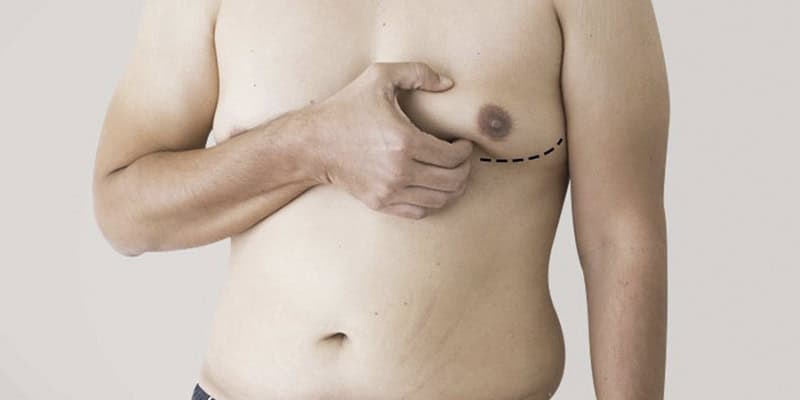
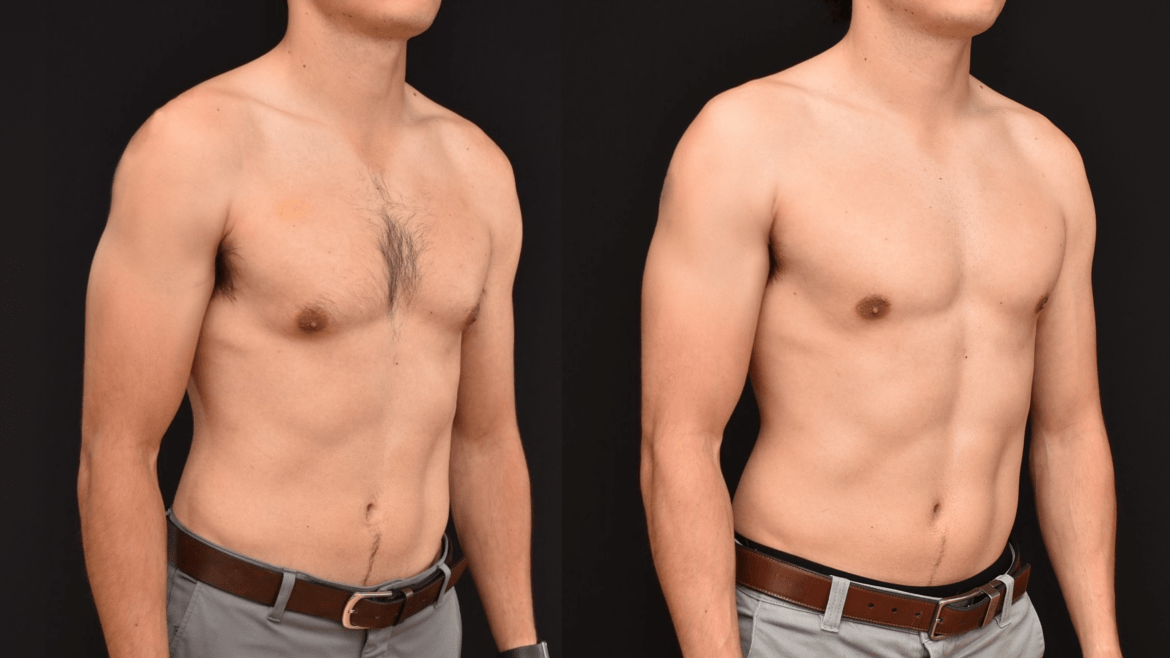
Gynecomastia, commonly known as male breast enlargement, is a condition that can affect a man’s chest appearance and confidence. It may develop due to hormonal changes, genetics, certain medications, or changes in body composition. While the condition is relatively common, its impact on personal comfort and self-image can encourage individuals to explore suitable treatment options. Gyno surgery is one approach that helps address excess breast tissue and create a flatter, more masculine chest contour.

Choosing an appropriate facility is an important part of the treatment journey. Patients considering Gyno Surgery Dubai can explore different healthcare facilities that offer male breast reduction procedures, professional consultations, and individualized treatment planning. However, the availability of a procedure alone does not determine whether a facility is suitable. Factors such as surgical expertise, medical standards, available techniques, and patient support also deserve attention.

Dubai has several healthcare facilities offering cosmetic and surgical services for individuals interested in improving their physical appearance. Enfield Royal Clinic, Tajmeels Clinic, and Dynamic Life Clinic are among the facilities that prospective patients may consider researching.

Each facility may have a different approach to consultations, treatment planning, and patient care. Understanding these differences can help individuals make informed decisions based on their anatomical needs, expectations, and medical suitability.

Healthcare Facilities to Consider for Gyno Surgery

Selecting a suitable facility involves more than comparing available procedures. Patients should understand the services offered, the qualifications of the surgical team, and the consultation process before making a decision.

Dynamic Life Clinic

Dynamic Life Clinic is one of the facilities individuals may explore when researching male breast reduction and cosmetic surgery options. Patients interested in improving chest definition can investigate its available surgical services and consultation arrangements.

A professional assessment is an important part of determining whether surgery is appropriate. During an initial consultation, patients should have the opportunity to discuss their concerns, medical history, and desired chest appearance.

For individuals considering Gyno Surgery Dubai, understanding the proposed treatment approach is particularly important. Male breast enlargement can involve glandular tissue, excess fat, or a combination of both. The appropriate surgical technique depends on the underlying cause and the patient’s individual anatomy.

Patients should ask about the following aspects when exploring treatment:

  • Whether the facility provides male breast reduction consultations.

  • Which surgical techniques may be suitable for different cases.

  • How individual treatment plans are developed.

  • What medical assessments are required before surgery.

  • What support is available throughout the recovery process.

Reviewing these details can help patients understand whether the facility’s services align with their expectations.

Enfield Royal Clinic

Enfield Royal Clinic is a facility that patients may consider when exploring cosmetic procedures and male breast reduction options. The clinic offers a range of aesthetic and surgical services, making it relevant to individuals researching procedures designed to improve body contours.

Patients interested in Gyno Surgery Dubai can explore the clinic’s gynecomastia treatment information and arrange a consultation to understand the available options.

Male breast reduction requires an individualized approach because not every patient experiences the same type of breast enlargement. Some individuals have predominantly glandular tissue, while others have excess fatty tissue or a combination of both. Identifying these differences helps determine the most appropriate treatment plan.

A consultation provides an opportunity to discuss important considerations, including:

  • The nature and extent of breast enlargement.

  • Whether glandular tissue removal, liposuction, or a combination may be appropriate.

  • The expected changes in chest shape and definition.

  • Individual medical suitability for surgery.

  • Preparation and recovery expectations.

Patients should also discuss their aesthetic goals openly to establish realistic expectations. A clear understanding of the proposed procedure, surgical arrangements, and follow-up support can contribute to a more informed treatment experience.

Tajmeels Clinic

Tajmeels Clinic is another facility that individuals may research when exploring cosmetic treatment options. Patients considering male breast reduction can investigate its surgical services and determine whether the facility provides consultations for gynecomastia.

One important consideration is whether the treatment approach addresses the specific cause of breast enlargement. Since gynecomastia can involve different tissue types, an assessment is necessary before selecting a surgical method.

Individuals researching Gyno Surgery Dubai should look for clear explanations of the procedure and the expected changes in chest appearance. A suitable consultation should allow patients to discuss their concerns, understand potential treatment approaches, and ask questions about the surgical process.

Patients may wish to clarify:

  • Whether male breast reduction is available.

  • What assessment is performed before treatment.

  • Which techniques are considered for different cases.

  • How the surgical team evaluates aesthetic goals.

  • What follow-up arrangements are provided.

Evaluating these factors can help patients make a more confident decision when comparing healthcare facilities.

How to Choose the Right Clinic for Gyno Surgery Dubai

Choosing a facility for male breast reduction requires careful consideration of medical expertise, surgical standards, and individual treatment requirements. Patients should avoid making decisions based solely on promotional information and instead focus on verifiable qualifications and the quality of medical care.

Experience and Qualifications

The qualifications and experience of the operating surgeon are important considerations. Patients should verify whether the surgeon has appropriate specialist training, relevant licensing, and experience performing gynecomastia procedures.

Experience with male chest anatomy can help the surgeon assess tissue distribution and recommend an appropriate approach.

Technology and Surgical Techniques

Different patients may require different surgical techniques depending on the amount and type of excess tissue.

Common approaches include:

  • Liposuction: Used to remove excess fatty tissue and improve chest contours.

  • Glandular tissue excision: Involves removing excess breast gland tissue through an appropriate incision.

  • Combined techniques: May be considered when both fatty and glandular tissues contribute to enlargement.

Patients should ask the surgeon why a particular technique is recommended and how it relates to their individual anatomy.

Safety Standards

Medical safety should remain a priority throughout the treatment process. Patients should confirm that the facility operates under the appropriate healthcare regulations and maintains suitable surgical facilities.

Important considerations include proper patient assessment, anesthesia arrangements, sterile surgical environments, and emergency preparedness.

Consultation Process

A detailed consultation helps establish whether a patient is suitable for surgery. It should include a review of medical history, examination of the chest area, and discussion of treatment expectations.

Patients should feel comfortable asking questions and receiving clear explanations about the proposed procedure.

Patient Experience

The overall patient experience includes communication, appointment arrangements, privacy, and access to professional guidance.

A reliable facility should explain the treatment journey clearly and provide appropriate support before and after surgery.

Expected Results

Patients should understand that surgical outcomes vary according to individual anatomy, tissue composition, and the selected technique.

The intended outcome is generally a flatter, more balanced chest contour. However, realistic expectations are essential, and the surgeon should explain what changes are achievable in each individual case.

Frequently Asked Questions

What Is Gyno Surgery?

Gyno surgery, also called gynecomastia surgery or male breast reduction, is a procedure designed to reduce enlarged male breast tissue. It may involve liposuction, surgical tissue removal, or a combination of techniques to create a flatter chest appearance.

Who Is a Suitable Candidate for Gyno Surgery Dubai?

Men experiencing persistent breast enlargement who are in generally good health may be suitable candidates. A professional assessment is necessary to identify the cause of enlargement and determine whether surgery is appropriate.

How Long Does Gyno Surgery Take?

The procedure commonly takes around one to three hours, depending on the extent of tissue removal and the surgical technique. The actual duration varies according to individual treatment requirements.

Does Gyno Surgery Remove Fat and Glandular Tissue?

Yes. Depending on the patient’s condition, the procedure can address excess fatty tissue, glandular tissue, or both. The surgeon determines the appropriate approach following an examination.

When Can Patients See the Results of Gyno Surgery?

Initial changes may become noticeable after the procedure, but swelling can temporarily affect the chest appearance. The final contour generally becomes clearer over the following weeks and months as the tissues settle and healing progresses.

Conclusion

Choosing an appropriate healthcare facility is an important step for individuals considering male breast reduction. Dynamic Life Clinic, Tajmeels Clinic, and Enfield Royal Clinic are facilities patients may explore when researching available treatment options. However, the most suitable choice depends on verified surgical qualifications, medical standards, consultation quality, and individualized treatment planning. Anyone considering Gyno Surgery Dubai should prioritize a thorough medical assessment, realistic expectations, and clear communication with the surgical team before proceeding.

What Results Can Ozempic Injection Offer?

Ozempic Injection in Dubai has gained attention for its role in supporting blood sugar management and weight reduction in eligible individuals. Its active ingredient, semaglutide, works by mimicking a naturally occurring hormone that helps regulate blood glucose, appetite, and digestion. The treatment Ozempic Injection in Dubai can support gradual changes in body weight while helping people with type 2 diabetes improve their blood sugar control. Understanding the possible results, treatment process, expected timeline, and individual response helps people develop realistic expectations before considering this approach.

Understanding the Results of Ozempic Treatment

Ozempic is a prescription medication containing semaglutide. It belongs to a group of medicines known as GLP-1 receptor agonists. It works by activating hormone receptors involved in blood sugar regulation and appetite control.
The results can vary depending on an individual’s health, treatment plan, lifestyle, and response to the medication. Some people experience noticeable improvements in blood glucose levels, while others may gradually observe changes in appetite and body weight.
The main outcomes associated with the treatment include:

  • Improved blood sugar regulation in people with type 2 diabetes.

  • Reduced appetite and fewer feelings of hunger.

  • Increased feelings of fullness after meals.

  • Support for gradual weight reduction.

  • Better control over food portions.

  • Improvements in certain weight-related health measurements.

These outcomes generally develop over time rather than appearing immediately after the first administration.

How Does Ozempic Work to Produce Results?

The treatment works through several biological processes that influence appetite, digestion, and blood glucose levels. Semaglutide activates GLP-1 receptors, which help the body release insulin when blood glucose levels are elevated. It also reduces the release of glucagon and slows stomach emptying.
These actions can influence eating habits and metabolic control in different ways.

Appetite Regulation

One of the noticeable changes associated with treatment is reduced appetite. Individuals may experience fewer hunger signals throughout the day, making it easier to manage meal portions and avoid unnecessary snacking.

Improved Blood Sugar Control

The medication supports the body’s natural insulin response. This can help individuals with type 2 diabetes maintain more stable blood glucose levels when combined with an appropriate treatment plan.

Increased Fullness

Slower stomach emptying can help individuals feel satisfied for longer after eating. This may naturally reduce the amount of food consumed during meals.

What Weight Loss Results Can Individuals Expect?

Weight reduction is one of the reasons people become interested in semaglutide-based treatments. However, the amount of weight lost differs from person to person.
Some individuals gradually notice changes in their weight as appetite decreases and eating patterns become more manageable. Others may experience slower progress depending on their starting weight, treatment dose, metabolic health, and daily habits.
The potential weight-related outcomes include:

  • Gradual reduction in overall body weight.

  • Improved control over portion sizes.

  • Reduced cravings and frequent hunger.

  • Changes in waist circumference.

  • Better management of weight-related health concerns.
    It is important to understand that Ozempic is primarily approved for managing type 2 diabetes in the United States, rather than being specifically approved as a weight-management medication. Its suitability for an individual depends on the applicable medical indication and local regulatory approval.

    OZEMPIC- semaglutide injection, solution+1

How Long Does It Take to Notice Ozempic Results?

The timeline for noticeable results depends on individual circumstances. The medication is generally introduced at a lower dose before the prescribed dose is adjusted according to treatment needs.

During the First Few Weeks

Initial changes may involve appetite regulation and improvements in blood glucose measurements. Some individuals notice that they feel satisfied with smaller meals.

After One to Three Months

More noticeable changes in eating habits and body weight may develop. Blood glucose measurements can also provide useful information about how the treatment is working.

After Three to Six Months

Individuals who respond well may observe more consistent changes in their weight and metabolic measurements. Regular assessment helps determine whether the treatment is achieving its intended goals.

Long-Term Results

Continued treatment may help maintain improvements while the medication remains appropriate. However, weight regain can occur after discontinuation, particularly without a sustainable long-term weight-management approach.

What Factors Influence the Final Results?

Not everyone experiences identical outcomes. Several factors influence how effectively the medication supports an individual’s health goals.

Starting Weight and Metabolic Health

An individual’s initial weight, blood glucose levels, insulin response, and general metabolic condition can influence the treatment outcome.

Prescribed Dosage

The prescribed dosage plays an important role in treatment progress. Dose adjustments are determined by an appropriate medical assessment rather than personal preference.

Eating Habits

Balanced meals and appropriate portion sizes can support better nutritional habits and help individuals work towards sustainable weight management.

Physical Activity

Regular physical activity supports cardiovascular fitness, muscle strength, and overall metabolic health. Combining movement with an appropriate treatment plan may contribute to better long-term outcomes.

Individual Biological Response

Genetics, hormonal activity, metabolism, and underlying health conditions can influence how the body responds to semaglutide.

What Is the Treatment Process for Ozempic?

Understanding the treatment process can help individuals know what to expect before beginning their medication.
The process generally involves an assessment of medical history, current health conditions, weight-related goals, and blood glucose measurements.
Once the medication is considered appropriate, the treatment follows a prescribed schedule.

Initial Health Assessment

The assessment helps establish whether the individual is suitable for treatment. Relevant health information and existing medications are reviewed to determine an appropriate approach.

Understanding the Injection Method

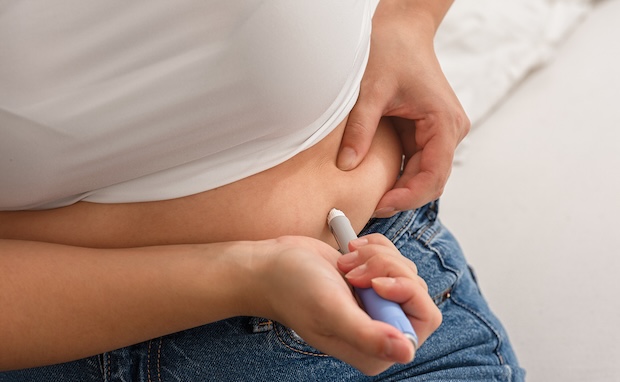
Ozempic is administered as a subcutaneous injection, meaning the medication is delivered beneath the skin. Common approved injection areas include the abdomen, thigh, and upper arm.

Weekly Administration

The medication is generally administered once weekly. The prescribed dose and schedule depend on the individual’s treatment requirements.

Monitoring Treatment Progress

Regular assessments help evaluate blood glucose control, weight changes, and overall progress. Adjustments may be considered when clinically appropriate.

How Does Mounjaro Treatment Support Weight and Blood Sugar Management?

Mounjaro is another injectable prescription medication containing tirzepatide. It works through two hormone pathways: glucose-dependent insulinotropic polypeptide (GIP) and glucagon-like peptide-1 (GLP-1).
These pathways influence blood glucose regulation, appetite, and food intake. Mounjaro is approved for improving blood sugar control in people with type 2 diabetes, alongside diet and exercise. Tirzepatide is also available under a different brand name for chronic weight management in eligible adults.

DailyMed+2

Potential Results of Mounjaro

The treatment may support several health-related improvements, including:

  • Better blood glucose regulation.

  • Reduced appetite and food intake.

  • Increased feelings of fullness.

  • Gradual reduction in body weight.

  • Improved management of certain weight-related health concerns.
    The results depend on the individual’s health, prescribed dosage, and response to treatment.

Understanding Both Treatment Options

Ozempic and Mounjaro are prescription injectable medications that influence hormone pathways involved in blood sugar regulation and appetite.
Ozempic contains semaglutide and activates GLP-1 receptors, while Mounjaro contains tirzepatide and activates both GIP and GLP-1 receptors.
Both treatments may contribute to weight-related changes, but they have different approved indications and prescribing requirements. They should not be combined unless specifically directed by an appropriate medical professional. The selection depends on individual medical needs, treatment goals, and eligibility.

What Should Individuals Know About Maintaining Treatment Results?

Sustainable results involve more than temporary changes in body weight. Individuals benefit from understanding how daily habits, nutritional balance, and consistent medical monitoring contribute to their overall progress.
Maintaining regular eating patterns can support nutritional requirements, while adequate protein intake and physical activity help preserve muscle strength during weight reduction.
It is also important to recognise that medication does not automatically produce permanent weight changes. Long-term progress depends on an individual’s health circumstances and an appropriate ongoing management plan.

Frequently Asked Questions

Does Ozempic Help Reduce Body Weight?

Ozempic may support weight reduction by influencing appetite, food intake, and feelings of fullness. However, individual results vary, and its primary approved indication is type 2 diabetes management in the United States.

Can Ozempic Improve Blood Sugar Levels?

Yes. Semaglutide helps regulate blood glucose by supporting insulin release when glucose levels are elevated and reducing glucagon secretion.

Are Results Visible Immediately?

No. Changes generally develop gradually. Some individuals notice appetite changes earlier, while improvements in weight and blood glucose measurements may take longer.

Does Everyone Experience the Same Results?

No. Treatment outcomes depend on metabolic health, starting weight, prescribed dosage, lifestyle habits, and individual biological responses.

Can Mounjaro Also Support Weight Reduction?

Yes. Tirzepatide can support weight reduction in eligible adults when prescribed for an approved weight-management indication. Mounjaro is also indicated for blood sugar management in type 2 diabetes.

How Long Can Treatment Results Last?

Results can be maintained during continued appropriate treatment. However, weight changes may occur after medication discontinuation, making long-term management important.

Conclusion

Understanding the potential outcomes of Ozempic Injection in Dubai helps individuals develop realistic expectations about blood sugar regulation, appetite control, and gradual weight reduction. Semaglutide and tirzepatide offer different approaches to supporting metabolic health, with both requiring an individualised medical assessment. While Ozempic may help improve glucose control and support changes in body weight, Mounjaro may also provide meaningful metabolic and weight-management benefits for eligible individuals. Ultimately, successful treatment involves selecting an appropriate medication, monitoring progress, maintaining balanced nutritional habits, and focusing on sustainable improvements rather than expecting immediate or identical results.

Top Patient-Recommended Clinics for Alarplasty in Dubai

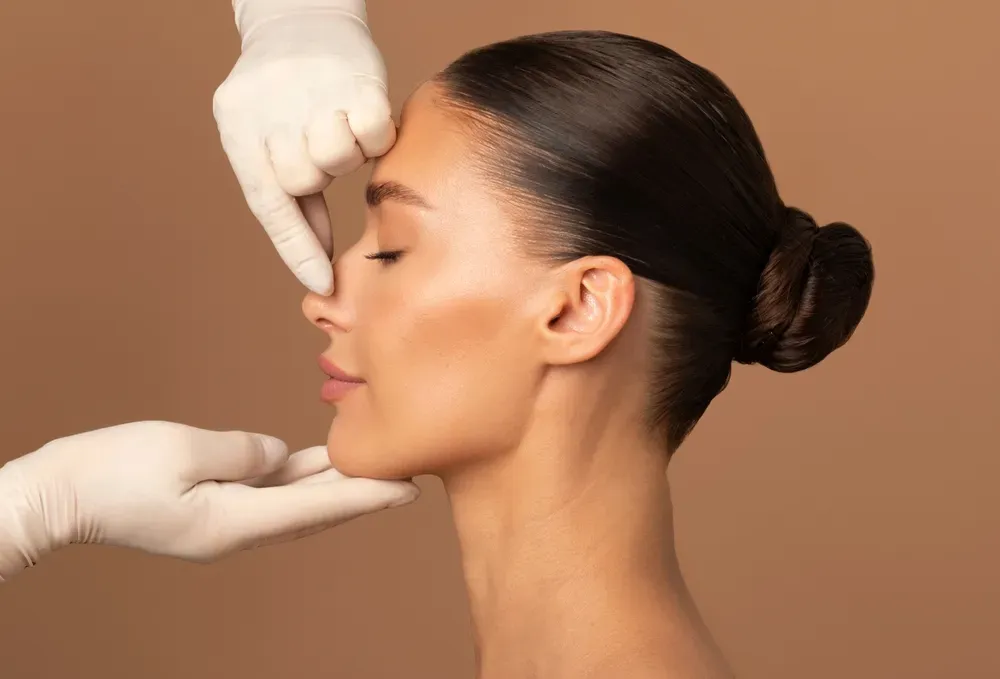
Alarplasty is a cosmetic surgical procedure designed to refine the width or shape of the nostril base. It may appeal to individuals who feel their nostrils appear wide, asymmetrical, or disproportionate to the rest of their facial features. Choosing a suitable clinic is an important part of the process because the procedure requires careful planning, an understanding of nasal anatomy, and attention to facial balance.

When researching Alarplasty in Dubai, prospective patients can explore different clinics to understand their consultation processes, surgical approaches, and available treatment options. However, the phrase “patient-recommended” should be considered carefully. Authentic patient feedback, verified credentials, and clear information about surgical services are more useful than promotional claims or unverified testimonials.

A suitable clinic should offer an opportunity to discuss individual concerns, assess nostril proportions, and understand what can realistically be achieved. Some individuals may benefit from alar base reduction alone, while others may require a broader assessment of nasal structure to determine the most appropriate approach.

Enfield Royal Clinic, Tajmeels Clinic, and Dynamic Life Clinic are among the providers prospective patients may investigate when comparing cosmetic treatment options. Each clinic should be evaluated using current information about its services, the qualifications of its practitioners, consultation standards, and suitability for the procedure.

This guide outlines factors to consider when exploring these clinics and explains how to make a more informed decision. Rather than treating any provider as an automatic first choice, prospective patients should focus on professional qualifications, transparent communication, and an approach tailored to their individual nasal anatomy and aesthetic goals.

Clinics to Consider for Alarplasty in Dubai

Dynamic Life Clinic

Dynamic Life Clinic is an option prospective patients may wish to investigate when researching cosmetic and aesthetic services. Individuals considering nostril refinement should confirm whether the clinic currently offers alarplasty and which qualified surgical professionals perform the procedure.

Alarplasty Dubai: Nostril Reduction Surgery | Seline Clinic

A useful consultation should begin with an assessment of the nostril base, nasal width, facial proportions, and the patient’s expectations. These details help establish whether alar base reduction is appropriate or whether another approach would better address the concern.

Before proceeding, prospective patients should ask about:

  • The surgeon’s qualifications and experience with alar base reduction.

  • The surgical technique recommended for their nasal anatomy.

  • The expected location and appearance of incisions.

  • The consultation, preparation, and recovery process.

  • The follow-up arrangements available after surgery.

Patients should also ask to review relevant before-and-after photographs, where available and appropriately consented, to understand the range of outcomes possible. Photographs can support a discussion, but they cannot guarantee that another person’s result will be reproduced.

The most important consideration is whether the proposed treatment addresses the individual’s concerns while preserving natural-looking nasal proportions.

Tajmeels Clinic

Tajmeels Clinic is another provider to research when comparing cosmetic treatment options. Before scheduling a procedure, prospective patients should verify the clinic’s current surgical services and establish whether an appropriately qualified surgeon performs alarplasty.

For individuals exploring Alarplasty in Dubai, the consultation should cover more than the desired reduction in nostril width. The surgeon should assess the shape of the nostril openings, the position of the alar base, skin characteristics, and overall nasal symmetry.

A thorough discussion can help patients understand the limitations of the procedure. Alarplasty primarily addresses the nostril base and does not necessarily change the nasal bridge, correct every form of asymmetry, or resolve concerns related to the internal nasal airway.

Patients may wish to ask how much tissue, if any, would be removed and how the surgeon plans to maintain balanced proportions. They should also discuss scar placement, healing expectations, and whether the proposed changes are likely to complement their existing facial features.

Clear explanations are particularly valuable for individuals who have never undergone cosmetic surgery. A responsible consultation should allow sufficient time for questions and should not pressure patients into making an immediate decision.

Enfield Royal Clinic

Enfield Royal Clinic is a provider prospective patients can include in their research when exploring cosmetic surgery options. Those considering Alarplasty in Dubai should contact the clinic to confirm current availability, the qualifications of the surgeon performing the procedure, and the consultation arrangements.

Alarplasty requires careful attention to the relationship between the nostril base and the surrounding nasal structures. The aim is generally to reduce excessive nostril width or refine the nostril shape while maintaining an appearance that suits the patient’s facial proportions.

A useful assessment should identify the specific concern, explain the available surgical options, and clarify what the procedure can reasonably accomplish. The surgeon should also discuss whether the individual’s expectations are achievable with alarplasty alone.

Prospective patients can use the consultation to ask about the following:

  • The surgeon’s experience with nostril base reduction and related nasal procedures.

  • The proposed incision location and surgical method.

  • How the treatment plan accounts for existing asymmetry.

  • Expected healing milestones and follow-up appointments.

  • The possibility of visible scarring and how scars typically mature.

  • Whether additional nasal procedures would be necessary or appropriate.

Patients should also seek clear information about the clinic’s surgical facilities, safety protocols, and arrangements for managing unexpected concerns after surgery.

A well-informed decision depends on the quality of the clinical assessment, the practitioner’s credentials, and the suitability of the proposed approach. Patients should review these factors directly rather than relying solely on general promotional descriptions or unverified recommendations.

How to Choose the Right Clinic for Alarplasty in Dubai

Selecting a clinic requires more than comparing photographs or reading online reviews. Because alarplasty involves altering the nostril base, the surgeon’s understanding of nasal anatomy and aesthetic balance is particularly important.

Experience and Qualifications

Patients should verify that the procedure will be performed by a surgeon whose qualifications and licensed scope of practice cover the planned surgery. Experience with alarplasty, rhinoplasty, and related nasal procedures may be relevant when evaluating a practitioner’s suitability.

It is reasonable to ask how frequently the surgeon performs the procedure and whether they can provide examples of comparable cases. Credentials should be checked through the relevant Dubai health authority or professional licensing records.

Surgical Techniques and Technology

Alarplasty techniques vary according to the shape of the nostrils, the width of the alar base, and the amount of refinement required. Some procedures involve removing a small amount of tissue near the nostril crease, while others use a different incision pattern depending on the patient’s anatomy.

Patients should understand why a particular technique is recommended. Technology alone does not determine the quality of a surgical outcome; appropriate planning, technical skill, and careful execution are essential.

Safety Standards

A suitable clinic should explain where surgery will take place, what anaesthesia may be used, and how patient safety is managed. Patients should confirm that the facility and professionals involved hold the necessary licences and that appropriate monitoring and emergency arrangements are available.

A clear plan for postoperative assessment is also important. Patients should know whom to contact if they have questions or experience unexpected symptoms during recovery.

Consultation Process

The consultation should include a review of medical history, previous nasal surgery, current medications, relevant health conditions, and the patient’s aesthetic priorities. The surgeon should examine the nose and explain the limitations of the procedure.

Patients should feel comfortable asking questions and requesting clarification. A recommendation that does not account for their anatomy or expectations deserves further discussion or an independent opinion.

Patient Experience and Reviews

Online reviews may provide insight into communication, appointment arrangements, and follow-up experiences. However, reviews should be assessed critically because they do not independently establish a surgeon’s competence or prove that a particular clinic is the best choice.

Look for detailed, consistent feedback across reliable sources and distinguish administrative experiences from comments about surgical outcomes. Verified credentials and a thorough consultation remain essential.

Expected Results

The expected outcome should be discussed before surgery. Alarplasty may reduce nostril width or refine the nostril base, but the extent of change depends on the individual’s anatomy and the technique used.

Patients should ask how the proposed result will affect facial balance, what degree of asymmetry may remain, and how long healing is expected to take. They should also understand that scars and swelling can change in appearance over time.

Frequently Asked Questions

What Is Alarplasty?

Alarplasty is a surgical procedure that modifies the shape or width of the nostril base. It commonly involves removing a small amount of tissue to create a more proportionate appearance while preserving the natural contours of the nose.

Who Is a Suitable Candidate for Alarplasty?

Suitable candidates are generally individuals who are concerned about wide or disproportionate nostrils and have realistic expectations about the results. A qualified surgeon must assess nasal anatomy, general health, and personal goals before determining suitability.

How Long Does Recovery From Alarplasty Take?

Initial healing often takes around one to two weeks, although the timeline varies between individuals. Swelling and incision changes may continue to settle over subsequent weeks or months. The surgeon should provide personalised recovery guidance and follow-up instructions.

Does Alarplasty Leave Visible Scars?

Alarplasty involves incisions, so some scarring is expected. Incisions are often placed near the natural nostril crease to make scars less noticeable, but their final appearance depends on surgical technique, individual healing, and skin characteristics.

How Can Patients Identify a Suitable Alarplasty Clinic in Dubai?

Patients should verify the surgeon’s qualifications, confirm that the clinic offers the procedure, review relevant surgical experience, and ask about safety standards and follow-up care. A detailed consultation should explain the expected outcome, limitations, and recovery process without making unrealistic promises.

Conclusion

Choosing a clinic for nostril refinement requires careful research, realistic expectations, and a clear understanding of the available surgical options. Dynamic Life Clinic, Tajmeels Clinic, and Enfield Royal Clinic are providers prospective patients can investigate, provided they independently confirm current service availability and practitioner qualifications.

When evaluating Alarplasty in Dubai, patients should prioritise a qualified surgeon, an individualised treatment plan, transparent communication, and appropriate surgical safety standards. Verified patient feedback and relevant before-and-after photographs can support the decision, but neither should replace professional assessment.

Ultimately, the right clinic is one that understands the patient’s concerns, explains the procedure honestly, and recommends an approach suited to their nasal anatomy and facial proportions.

Top Cosmetic Clinics for Lipoma Treatment in Dubai

A lipoma is a soft, usually slow-growing lump that develops from fatty tissue beneath the skin. Although most lipomas are benign, a noticeable lump can cause discomfort, affect appearance, or raise questions about an individual’s health. Choosing an appropriate healthcare provider is an important step for anyone considering Lipoma treatment in Dubai, particularly when the lump is growing, painful, or located in a visible area.

Treatment begins with an assessment to determine whether the lump is consistent with a lipoma or requires further investigation. A healthcare professional may examine its size, location, texture, and growth pattern before recommending suitable management. Depending on the findings, options may include monitoring, surgical removal, or additional diagnostic testing when the diagnosis is uncertain.

Dubai offers several healthcare facilities where patients can explore the assessment and management of benign skin and soft-tissue lumps. However, not every cosmetic clinic provides the same services, and patients should confirm that a facility offers the appropriate evaluation and treatment for their individual needs.

When comparing clinics, it is useful to consider the qualifications of the treating professional, the availability of diagnostic assessments, hygiene standards, consultation quality, and follow-up arrangements. A clinic’s website and service descriptions can help with initial research, but patients should verify specific capabilities directly before making an appointment.

The following guide introduces Enfield Royal Clinic, Tajmeels Clinic, and Dynamic Life Clinic as options to investigate when researching lipoma care. Their inclusion is not a ranking or a guarantee of particular services. Patients should confirm current treatment availability and suitability during consultation.

Enfield Royal Clinic

Enfield Royal Clinic is a cosmetic and aesthetic healthcare provider that patients may consider when exploring options for visible skin lumps and related concerns. For individuals researching Lipoma treatment in Dubai, the first step should be to confirm whether the clinic offers an appropriate assessment and removal service for the specific type and location of the lump.

A consultation should establish whether the lump appears consistent with a lipoma or whether further investigation is necessary. This distinction matters because other skin and soft-tissue growths can sometimes resemble lipomas, and visual examination alone may not always provide a definitive diagnosis.

Patients considering treatment can ask about the qualifications of the professional who would perform the procedure, the recommended removal technique, and whether the removed tissue would be sent for laboratory examination when appropriate. They should also discuss the likely scar, healing expectations, and any need for follow-up appointments.

A clear explanation of the available options can help patients make an informed decision. Before booking, patients should verify that the clinic provides the required medical evaluation and that the proposed treatment is appropriate for their individual circumstances.

Tajmeels Clinic

Tajmeels Clinic is another provider patients may wish to investigate when comparing cosmetic healthcare services. Those considering lipoma assessment should contact the clinic directly to establish whether it evaluates and removes these growths or refers patients to an appropriate specialist.

The consultation process is particularly important when a lump is located on the face, neck, or another visible area. Treatment planning should consider both medical suitability and the potential effect of an incision on the surrounding skin. The appropriate approach depends on the lump’s size, depth, position, and clinical characteristics.

Patients can ask whether an examination is sufficient or whether imaging, a biopsy, or another diagnostic investigation may be required. They should also clarify who will perform the procedure and whether the facility offers appropriate follow-up care.

Rather than choosing a clinic solely on the basis of cosmetic services, patients should prioritise accurate diagnosis, transparent communication, and a treatment plan that addresses the nature of the growth.

Dynamic Life Clinic

Dynamic Life Clinic is also worth researching as part of a broader comparison of healthcare providers. Before arranging an appointment, patients should confirm whether the clinic currently offers lipoma assessment and removal and whether it is equipped to manage the specific concern.

A suitable evaluation should consider how long the lump has been present, whether it has changed in size, and whether it causes pain or other symptoms. A clinician may recommend observation for a typical, harmless lipoma that does not cause problems. Removal may be considered when the growth causes discomfort, restricts movement, creates cosmetic concerns, or requires diagnostic clarification.

Patients should ask about the available techniques and the circumstances in which each would be appropriate. They can also enquire about the expected appearance of the treated area, the possibility of a scar, and how the removed tissue will be assessed.

A useful consultation should provide realistic expectations rather than promising a particular cosmetic result. Confirming the clinic’s services, the treating professional’s credentials, and the availability of follow-up care can help patients determine whether it meets their needs.

How to Choose the Right Clinic for Lipoma Treatment in Dubai

Selecting a healthcare provider involves more than comparing clinic names. The quality of the assessment, the suitability of the recommended procedure, and the arrangements for follow-up are important considerations.

Experience and Qualifications

Patients should check the qualifications and relevant experience of the professional who will assess and treat the lump. Depending on its characteristics, care may involve a dermatologist, general surgeon, plastic surgeon, or another appropriately qualified specialist.

It is also reasonable to ask how frequently the professional manages similar growths and whether more complex cases require referral.

Technology and Techniques

Lipomas can vary in size, depth, and location. Some can be removed through a relatively straightforward surgical procedure, while others may require a more detailed assessment or a different surgical approach.

Patients should ask which technique is recommended and why. They should also understand whether the procedure will allow the tissue to be examined when necessary. Liposuction or other approaches may be considered in selected circumstances, but the most appropriate method depends on the clinical findings and diagnostic requirements.

Safety Standards

A clinic should follow appropriate infection-control procedures and use suitable facilities for the proposed intervention. Patients can ask about anaesthesia, wound management, specimen testing, and the process for addressing unexpected findings.

A lump that is rapidly growing, firm, fixed to deeper tissue, or unusually painful should receive prompt medical assessment rather than being treated as a routine cosmetic concern.

Consultation Process

A thorough consultation should provide an opportunity to discuss symptoms, medical history, treatment options, and potential limitations. The professional should explain whether the lump can be monitored, whether removal is appropriate, and whether additional tests are needed before proceeding.

Patients should feel comfortable asking questions and requesting clarification about the proposed plan.

Patient Experience

Clear communication and accessible follow-up arrangements can make the treatment process easier to navigate. Patients should understand whom to contact if they develop unexpected pain, bleeding, swelling, or other concerns after a procedure.

Online reviews may offer general information about communication and appointment experiences, but they cannot establish a clinician’s suitability for a particular case. Current credentials and direct consultation are more useful when evaluating medical care.

Expected Results

The aim of treatment is to address the lump safely while considering the appearance and function of the surrounding area. Surgical removal may leave a scar, and the final appearance depends on factors such as the incision, the size and location of the lipoma, and individual healing.

Patients should ask about the expected recovery period, wound care, and the possibility of recurrence. Complete removal can reduce the chance of a lipoma returning at the same site, although recurrence remains possible.

Frequently Asked Questions

What Is a Lipoma?

A lipoma is a growth made up of fatty tissue that develops beneath the skin. It is usually soft, movable, and slow-growing, and most lipomas are benign. However, not every lump is a lipoma, so a healthcare professional should assess any new or changing growth.

When Should a Lipoma Be Removed?

Removal may be considered when a lipoma causes pain, interferes with movement, grows noticeably, creates cosmetic concerns, or needs further investigation. A small, typical lipoma that causes no problems may not require treatment. The decision should be based on an appropriate medical assessment.

Is Lipoma Removal a Surgical Procedure?

Many lipomas are removed through a minor surgical procedure, often using local anaesthesia. The approach depends on the size, depth, and location of the growth. Larger or more complex lumps may require a different setting or specialist involvement.

Can a Lipoma Return After Removal?

Yes, recurrence is possible, although complete removal often reduces the likelihood of the same lipoma returning. A new lump may also develop nearby or elsewhere on the body. Any recurrent or newly developing growth should be assessed to confirm its nature.

How Can Patients Choose a Clinic for Lipoma Treatment in Dubai?

Patients should review the treating professional’s qualifications, confirm that the clinic offers the required service, and ask about diagnosis, removal techniques, safety procedures, and follow-up care. They should also discuss scarring, recovery expectations, and whether laboratory examination of the removed tissue is appropriate.

Conclusion

Choosing a suitable provider for lipoma care requires careful consideration of medical expertise, diagnostic assessment, treatment options, and follow-up arrangements. Enfield Royal Clinic, Tajmeels Clinic, and Dynamic Life Clinic are providers patients can contact to verify whether their current services meet their needs. Their specific capabilities should be confirmed directly rather than assumed.

For anyone researching Lipoma treatment in Dubai, the most important step is to obtain an accurate diagnosis before deciding on removal. A qualified healthcare professional can explain whether monitoring or a procedure is appropriate and discuss the likely outcome, recovery, and potential scarring. Making a decision based on individual clinical needs, rather than rankings or promotional claims, supports a more informed approach to treatment.

What Causes Eyelid Xanthelasma?

The appearance of small, yellowish patches around the eyelids can raise questions about skin health and overall well-being. These patches, known as xanthelasma, develop when fatty substances accumulate beneath the skin, often near the inner corners of the upper or lower eyelids. Although they are usually painless and harmless, their presence may sometimes indicate changes in cholesterol levels or other metabolic factors. Understanding the underlying Eyelid Xanthelasma Removal in Dubai causes helps individuals make informed decisions about evaluation and treatment, including options for removing these deposits when they affect facial appearance or confidence.

Understanding Eyelid Xanthelasma

Xanthelasma refers to soft, yellowish plaques that form when lipid-containing cells collect within the skin around the eyes. The patches may begin as small, flat areas before gradually becoming more noticeable. They can appear on one or both eyelids and may develop symmetrically near the nose.
These deposits are generally benign, meaning they are not cancerous. However, their appearance can be persistent, and they do not usually disappear without treatment. Identifying their characteristics is an important first step in determining whether the patches are xanthelasma or another type of eyelid lesion.

High Cholesterol Levels

One of the most recognised factors associated with xanthelasma is an abnormal level of cholesterol or other lipids in the blood. Cholesterol is a fatty substance that the body needs to build cells and produce certain hormones. When lipid levels become elevated, fat can accumulate in tissues, including the skin surrounding the eyes.
However, xanthelasma does not always indicate high cholesterol. Some individuals develop these patches despite having lipid levels within the normal range. For this reason, a healthcare professional may recommend a blood lipid assessment to understand whether an underlying cholesterol imbalance is present.

Genetic Predisposition

Family history can influence the likelihood of developing eyelid xanthelasma. Some individuals inherit a tendency to experience elevated cholesterol levels or differences in how their bodies process fats. These inherited factors may contribute to lipid deposits even when a person maintains a generally healthy lifestyle.
A family history of high cholesterol, early cardiovascular disease, or similar yellowish eyelid patches may provide useful information during an assessment. Nevertheless, genetics alone cannot confirm the cause, and other potential contributing factors may also need consideration.

Metabolic Conditions

Certain metabolic conditions can affect the way the body processes fats and regulates cholesterol. These conditions may increase the likelihood of lipid accumulation and can sometimes be associated with xanthelasma.
Potential contributing conditions include diabetes, insulin resistance, and thyroid disorders. Liver conditions that affect lipid metabolism may also be relevant in some cases. When these factors are suspected, appropriate medical assessment can help identify whether the eyelid deposits are associated with a wider health concern.
The presence of xanthelasma does not automatically mean that an individual has one of these conditions. A proper evaluation is necessary to determine whether further investigation is appropriate.

Age and Hormonal Influences

Xanthelasma is more commonly recognised in middle-aged and older adults, although it can occur in younger individuals as well. Age-related changes in lipid metabolism may contribute to its development in some people.
Hormonal changes and other physiological factors can also influence cholesterol levels. However, age or hormonal variation should not be considered the sole explanation for every case. The development of eyelid plaques depends on several possible influences, including genetics, metabolic health, and individual susceptibility.

Lifestyle and Lipid Metabolism

Lifestyle can influence cholesterol levels and general metabolic health. Dietary patterns, physical activity, body weight, and other health-related habits may affect how the body manages fats. These factors can be relevant when elevated lipid levels are present.
However, xanthelasma can develop in individuals who follow balanced routines and have no obvious lifestyle-related risk factors. It is therefore inaccurate to assume that the patches result from poor personal habits. An individual assessment provides a more reliable understanding of the possible causes.

How Xanthelasma Develops Around the Eyelids

Xanthelasma develops when lipid-laden immune cells, known as foam cells, accumulate within the skin. These cells contain stored fatty substances that create the characteristic yellow appearance.
The eyelid area is particularly noticeable because the skin is delicate and the deposits may become visible even when they are relatively small. Over time, the patches may remain stable or gradually enlarge. Their texture can be soft or slightly raised, and their colour may range from pale yellow to a deeper yellow-orange shade.
Recognising these features helps distinguish xanthelasma from other eyelid concerns, although a visual examination may be needed for an accurate diagnosis.

Why Professional Assessment Matters

A professional assessment helps establish whether a yellowish eyelid patch is xanthelasma and whether additional health investigations are appropriate. The assessment may include a review of medical history, family history, existing health conditions, and the appearance of the affected area.
A lipid profile may be recommended to measure cholesterol and triglyceride levels. Depending on the individual’s circumstances, additional tests may be considered to investigate possible metabolic or thyroid-related factors.
This evaluation is valuable even when the deposits appear to be a purely cosmetic concern. Addressing an underlying lipid imbalance may support general health, although it does not necessarily remove existing plaques.

Available Treatments for Eyelid Xanthelasma

Treatment depends on the size, thickness, location, and number of deposits, as well as the individual’s health and preferences. Two commonly considered approaches are surgical excision and laser removal. Both aim to remove or reduce the visible deposits, but they work differently and may be suitable for different presentations.

Surgical Excision

Surgical excision involves carefully removing the affected tissue using a precise surgical technique. It may be considered for selected deposits that are raised, relatively thick, or unsuitable for other removal methods.
The approach depends on the size and position of the plaques and the amount of surrounding eyelid skin available. Because the eyelids play an essential role in protecting the eyes and maintaining normal closure, treatment requires careful planning by an appropriately qualified professional.
The suitability of excision depends on individual anatomy and the characteristics of the deposits. A consultation can help establish whether this method is appropriate.

Laser Removal

Laser removal uses controlled laser energy to target and remove superficial xanthelasma tissue. It may be considered for selected deposits where the characteristics and location make laser treatment suitable.
The technique allows the treatment area to be addressed with precision, but the appropriate laser type and treatment approach depend on the individual case. The depth and extent of the deposits can influence the likely outcome.
Not every lesion is suitable for laser treatment, and more than one session may sometimes be considered. A professional assessment is necessary to determine whether laser removal is appropriate for the delicate eyelid area.

Benefits of Treating Eyelid Xanthelasma

Removing xanthelasma may help improve the visible appearance of the eyelids and reduce the prominence of yellowish plaques. For individuals who feel self-conscious about these deposits, treatment may also support greater confidence in their appearance.
Potential benefits include a smoother-looking eyelid area, reduced visibility of the deposits, and a treatment plan tailored to the individual’s needs. The expected result depends on the characteristics of the plaques and the method selected.
It is important to understand that removing existing deposits does not correct an underlying cholesterol disorder. Similarly, successful removal cannot guarantee that new plaques will never develop. Ongoing attention to general health remains important when relevant risk factors are present.

Frequently Asked Questions

Can xanthelasma develop when cholesterol levels are normal?

Yes. Some individuals develop xanthelasma despite having normal cholesterol levels. A lipid assessment may still be useful because the appearance of the plaques alone cannot establish a person’s cholesterol status.

Is eyelid xanthelasma dangerous?

Xanthelasma is generally benign and does not usually cause pain or affect vision. However, new or unusual eyelid lesions should be assessed professionally to confirm the diagnosis and determine whether further investigation is necessary.

Can xanthelasma disappear on its own?

Existing deposits usually persist without treatment. Managing an underlying cholesterol imbalance may improve overall health, but it does not reliably eliminate established plaques.

Which treatments can remove eyelid xanthelasma?

Surgical excision and laser removal are two possible approaches. The appropriate method depends on the depth, size, location, and characteristics of the deposits, together with the individual’s medical circumstances.

Can xanthelasma return after treatment?

Yes. Recurrence is possible after both surgical excision and laser removal. The likelihood depends on several factors, including the extent of the original deposits and individual susceptibility.

Conclusion

Eyelid xanthelasma develops when lipid-containing cells accumulate beneath the skin, creating yellowish patches that may be associated with cholesterol abnormalities, genetic predisposition, or certain metabolic conditions. Although these deposits are generally harmless, understanding their possible causes can help individuals make informed decisions about their health and appearance. Surgical excision and laser removal offer two potential treatment options, each requiring careful assessment of the affected area. For individuals considering Eyelid Xanthelasma Removal in Dubai, understanding these causes and available techniques can provide a useful starting point for discussing suitable treatment options and realistic expectations with a qualified professional.

Best Trusted Experts for Brow Lift Surgery in Dubai

Brow position plays an important role in facial expression, eye appearance, and overall facial balance. When the eyebrows gradually descend with age, the upper face may appear tired, heavy, or less refreshed. Brow lift surgery is a cosmetic procedure designed to elevate the eyebrows and create a more open, balanced appearance while preserving the individual’s natural facial features. Choosing an appropriate healthcare provider is an important part of understanding the procedure and making an informed decision.

For individuals considering Brow Lift Surgery in Dubai, selecting a clinic involves more than comparing treatment descriptions. Patients should evaluate the surgeon’s qualifications, experience with facial procedures, approach to individual anatomy, and commitment to patient safety. A detailed consultation can help determine whether a brow lift is suitable or whether another approach may better address concerns involving the forehead or upper eyelids.

Several healthcare providers offer cosmetic and aesthetic services, including Enfield Royal Clinic, Tajmeels Clinic, and Dynamic Life Clinic. Each option should be assessed according to its available services, consultation process, and the qualifications of the professional responsible for treatment. Prospective patients should verify current service availability and practitioner credentials directly rather than relying exclusively on promotional information.

A useful healthcare review guide focuses on practical considerations instead of unsupported rankings. Understanding the available options, asking relevant questions, and discussing realistic expectations can help patients choose a provider whose clinical approach aligns with their needs.

Healthcare Providers to Consider for Brow Lift Surgery

Choosing a clinic requires an understanding of its services, professional expertise, and consultation practices. The following providers are worth researching when exploring facial rejuvenation options.

Dynamic Life Clinic

Dynamic Life Clinic is an option to investigate for individuals exploring cosmetic and aesthetic treatments. Prospective patients should contact the clinic to confirm whether brow lift surgery is currently available and which qualified professionals perform the procedure.

Before making a decision, patients can ask about the surgeon’s experience with brow and forehead procedures, the techniques offered, and the process used to assess facial anatomy. These details are particularly important because brow position, forehead height, skin elasticity, and upper eyelid structure can influence the treatment plan.

A comprehensive consultation should also explain the intended surgical changes, expected recovery period, and limitations of the procedure. Patients should request information about the facility where surgery takes place and the arrangements available for follow-up appointments.

Rather than relying on general aesthetic claims, individuals should seek clear explanations of how a proposed treatment would address their specific concerns. This approach helps them compare providers using relevant clinical information.

Enfield Royal Clinic

Enfield Royal Clinic is a provider to consider when researching facial cosmetic procedures and discussing options for Brow Lift Surgery in Dubai. Prospective patients should confirm the clinic’s current surgical services, the qualifications of the practitioner performing the procedure, and the setting in which treatment is provided.

An individual assessment is essential because a low eyebrow position does not always have the same cause. Some patients may have naturally low-set eyebrows, while others experience changes associated with ageing, forehead tissue movement, or excess upper eyelid skin. A qualified professional can evaluate these factors and explain which treatment, if any, is appropriate.

During a consultation, patients should discuss their desired appearance, medical history, previous cosmetic procedures, and expectations. They should also ask about the available surgical techniques, the anticipated incision locations, and how the approach may affect the hairline and forehead contours.

A suitable treatment plan should prioritise facial balance rather than an unnecessarily high eyebrow position. Patients should receive a clear explanation of the procedure, potential risks, recovery requirements, and follow-up arrangements before deciding to proceed.

For those comparing healthcare providers, Enfield Royal Clinic can be included in the research process alongside other options. Reviewing practitioner credentials, asking detailed questions, and verifying the clinic’s current services can help patients make a more informed decision.

Tajmeels Clinic

Tajmeels Clinic is another provider that prospective patients may wish to research when exploring cosmetic treatments. Individuals interested in brow rejuvenation should directly confirm whether the clinic offers surgical brow lifts and identify the qualified professional responsible for consultation and treatment.

The distinction between surgical and nonsurgical brow treatments is important. A surgical brow lift repositions tissues to elevate the eyebrows, while certain nonsurgical procedures may provide temporary changes in brow appearance without producing the same structural result. A consultation should clarify which approach is available and whether it matches the patient’s goals.

Patients can ask how the practitioner evaluates forehead proportions, eyebrow symmetry, and upper eyelid position. These considerations help determine whether the proposed treatment is likely to create a balanced appearance.

It is also useful to discuss the recovery timeline, follow-up schedule, and the support available if questions arise after treatment. Patients should request clear information about the clinical setting, safety protocols, and the professional’s experience with the specific procedure.

By examining these details, individuals can assess whether the clinic’s services and approach meet their expectations without relying on unverified testimonials or general marketing statements.

How to Choose the Right Clinic for Brow Lift Surgery in Dubai

The right healthcare provider should offer appropriate clinical expertise, clear communication, and an individualised treatment plan. Several factors can help patients evaluate their options.

Experience and Qualifications

The qualifications of the surgeon are among the most important considerations. Patients should verify that the professional holds the appropriate licence and has relevant training and experience in facial plastic or cosmetic surgery.

Questions worth asking include:

  • How frequently does the surgeon perform brow lift procedures?

  • Which surgical techniques are appropriate for the patient’s anatomy?

  • Can the surgeon explain the expected benefits and limitations?

  • What professional credentials and relevant training can be verified?

Experience with facial anatomy is particularly valuable because small changes in eyebrow position can affect the overall expression of the face.

Technology and Techniques

Brow lift procedures may involve different surgical approaches, including endoscopic, temporal, and other forehead-lifting techniques. The appropriate method depends on factors such as eyebrow position, forehead anatomy, hairline characteristics, and the degree of correction required.

Patients should ask why a particular technique is recommended and whether alternative approaches are suitable. The explanation should focus on individual needs rather than suggesting that one method is best for everyone.

Safety Standards

A provider should clearly explain where the procedure will take place and what safety arrangements are available. Patients should ask about the surgical facility, anaesthesia arrangements, infection-control practices, and emergency procedures.

A proper assessment should also cover medical history, existing health conditions, medications, allergies, and previous operations. Patients should receive an understandable explanation of potential complications and how concerns would be managed.

Consultation Process

A thorough consultation gives patients an opportunity to discuss their goals and understand the procedure before making a decision.

The practitioner should examine eyebrow position, forehead proportions, eyelid structure, and facial symmetry. Patients should also have time to ask questions about incisions, anaesthesia, recovery, and expected outcomes.

Clear communication is essential. Individuals should feel comfortable requesting further explanations or seeking another professional opinion if important questions remain unanswered.

Patient Experience

The overall patient experience includes communication before surgery, preparation instructions, recovery support, and access to follow-up appointments.

Patients should understand whom to contact if they experience unexpected symptoms or have concerns during recovery. Written instructions and a clear follow-up schedule can make the treatment process easier to navigate.

Verified patient feedback may offer useful information about communication and service, but individual experiences cannot guarantee another person’s results.

Expected Results

A brow lift aims to improve eyebrow position and may create a more open, refreshed appearance. However, the outcome depends on individual anatomy, the technique used, healing, and the surgeon’s approach.

Patients should discuss whether the intended result is subtle elevation, improved eyebrow symmetry, or a more noticeable change in the upper face. They should also understand that a brow lift does not necessarily correct every concern involving the eyelids, forehead wrinkles, or skin laxity.

Realistic expectations help patients assess the likely benefits and decide whether surgery aligns with their priorities.

Frequently Asked Questions

What Is Brow Lift Surgery?

Brow lift surgery is a cosmetic procedure that elevates the eyebrows by repositioning underlying tissues. It may help reduce the appearance of a heavy brow and create a more open, refreshed facial expression.

Who May Be Suitable for a Brow Lift?

Adults concerned about low-set eyebrows, forehead tissue descent, or a heavy appearance around the upper eyes may wish to explore the procedure. Suitability depends on individual anatomy, medical history, expectations, and a professional assessment.

How Long Does Brow Lift Surgery Take?

The duration varies according to the surgical technique, the extent of correction, and whether other procedures are performed at the same time. The surgeon can provide a more specific estimate during the consultation.

How Long Does Recovery Take After a Brow Lift?

Recovery varies from person to person. Initial swelling and bruising generally improve over the first few weeks, although complete healing and the settling of the final result may take longer. The surgeon should provide individual recovery instructions and explain when normal activities can resume.

How Can Patients Choose a Clinic for Brow Lift Surgery in Dubai?

Patients should verify the surgeon’s qualifications, relevant surgical experience, facility standards, and follow-up arrangements. A detailed consultation, realistic discussion of outcomes, and transparent information about potential risks are essential when comparing providers.

Conclusion

Selecting a healthcare provider for brow rejuvenation requires careful research, realistic expectations, and a clear understanding of the available treatment options. Patients should prioritise professional qualifications, experience with facial procedures, appropriate safety standards, and individualised consultations rather than relying on rankings or promotional claims.

For anyone researching Brow Lift Surgery in Dubai, Enfield Royal Clinic, Tajmeels Clinic, and Dynamic Life Clinic are providers to investigate and compare based on their currently available services and verified professional credentials. Confirming the details directly with each clinic can help patients understand their options and make a decision that supports their aesthetic goals and overall wellbeing.

What Causes Chest Swelling Before Gyno Surgery?

Chest swelling can result from hormonal changes, increased fatty tissue, certain medical conditions, or changes in breast gland tissue. Identifying the underlying cause is an important step toward choosing an appropriate treatment approach.

Understanding Chest Swelling in Men

Chest swelling in men refers to an increase in the size or fullness of the chest area. It may affect one side or both sides and can involve fatty tissue, glandular tissue, or a combination of both. The appearance Gyno Surgery Dubai and texture of the enlarged area can vary depending on the underlying cause. Some men notice a soft, rounded chest, while others experience a firmer area beneath the nipple. These differences can help a healthcare professional determine whether the enlargement is associated with excess fat, glandular growth, or another condition. Chest enlargement is not always related to body weight. Men with a healthy weight can also develop enlarged breast tissue because of hormonal changes or other contributing factors.

Hormonal Changes and Breast Tissue Growth

Hormonal imbalance is one of the main causes of gynecomastia, a condition involving the growth of glandular breast tissue in males. Testosterone and estrogen are both present in men, although they generally occur at different levels and have different functions. When the balance between these hormones changes, breast gland tissue may become more prominent. This can happen during several stages of life, including puberty and older adulthood. Hormonal changes may contribute to chest swelling through:
  • Reduced testosterone activity.
  • Increased estrogen production or activity.
  • Natural hormonal fluctuations during puberty.
  • Age-related changes in hormone levels. In many cases, hormonal breast enlargement improves naturally, particularly during adolescence. Persistent or newly developing swelling, however, may require medical assessment to identify its cause.

Excess Fat and Chest Enlargement

Excess fat can accumulate around the chest and create a fuller appearance. This is sometimes called pseudogynecomastia because the enlargement primarily involves fatty tissue rather than the growth of breast glands. Weight gain may increase fat deposits across the chest, abdomen, and other parts of the body. However, fat distribution differs from person to person, so chest fullness does not always correspond directly to overall body weight. Men experiencing fat-related chest enlargement may notice a soft appearance without a clearly defined, firm area beneath the nipple. A physical examination can help distinguish fatty enlargement from glandular gynecomastia. When both fat and glandular tissue contribute to chest fullness, a treatment plan may need to address both components.

Puberty and Natural Development

Puberty is a common period for temporary breast enlargement in boys. During this stage, the body experiences substantial hormonal changes that can temporarily affect breast tissue. The enlargement may appear as a small, firm or rubbery area beneath one or both nipples. It can occur unevenly, meaning one side may become noticeable before the other. In many adolescents, this type of swelling gradually settles as hormone levels stabilize. The duration varies, and persistent enlargement should be evaluated rather than automatically assumed to be part of normal development. Understanding the role of puberty helps distinguish temporary changes from enlargement that continues into adulthood.

Medical Conditions That May Contribute to Chest Swelling

Certain health conditions can affect hormone production, metabolism, or the body’s ability to regulate breast tissue growth. These conditions may contribute to the development of gynecomastia. Possible underlying factors include:
  • Thyroid disorders that influence hormone regulation.
  • Liver conditions that affect hormone processing.
  • Kidney disorders that alter normal hormonal balance.
  • Conditions affecting testosterone production.
  • Less commonly, hormone-producing tumors. These conditions do not explain every case of chest swelling, but they may be considered when enlargement develops unexpectedly or occurs alongside other changes in health. A healthcare professional may recommend a medical history review, physical examination, and selected investigations based on the individual’s symptoms and circumstances.

Medications and Hormonal Influences

Some prescribed medicines and other substances can influence hormone levels or breast tissue. A healthcare professional may review current and previous medication use when assessing unexplained chest enlargement. The timing of the swelling, changes in health, and the person’s medical history can help establish whether a particular exposure may be relevant. Individuals should not stop prescribed treatment independently. Instead, they can discuss any concerns with the professional responsible for their care to determine whether adjustments or further investigations are appropriate.

How Doctors Identify the Cause of Chest Swelling

Determining the cause of chest enlargement involves more than examining its appearance. A healthcare professional may ask when the swelling began, whether it has changed over time, and whether it affects one or both sides. The assessment may include:
  • Reviewing medical history and hormonal symptoms.
  • Examining the chest to assess the type of tissue involved.
  • Evaluating current medications and relevant health conditions.
  • Ordering blood tests when hormonal or medical causes are suspected.
  • Using imaging when the examination indicates that further assessment is necessary. A sudden change, a hard lump, nipple discharge, skin dimpling, or swelling concentrated on one side should receive prompt medical evaluation. These findings do not necessarily indicate a serious condition, but they should not be ignored.

Treatment Options for Chest Enlargement

Treatment depends on the cause, the amount of glandular tissue and fat present, and whether the enlargement is temporary or persistent. Some cases require observation and treatment of an underlying medical condition rather than surgery.

Lifestyle Changes for Fat-Related Enlargement

When excess fatty tissue is the primary cause, gradual weight management and regular physical activity may help reduce overall body fat. However, exercise cannot reliably remove established glandular breast tissue. A balanced approach to physical activity and nutrition can support general health, although results vary according to individual body composition.

Surgical Treatment for Persistent Gynecomastia

Surgical treatment may be considered when enlarged breast tissue persists and causes physical discomfort or concerns about chest appearance. Depending on the findings, the procedure may involve removing glandular tissue, reducing excess fat, or addressing both. The appropriate technique depends on the individual’s anatomy and the cause of the enlargement. An assessment before surgery helps establish realistic expectations and determine whether surgery is suitable.

What to Expect During the Treatment Process

Before treatment, the individual typically undergoes an assessment to establish the cause and extent of chest enlargement. The healthcare professional explains the available options, the expected changes, and the factors that may influence the outcome. If surgery is appropriate, the procedure is planned according to the amount and type of tissue involved. Recovery and the time required to resume everyday activities vary according to the surgical technique and individual healing. Understanding each stage can help individuals make informed decisions and develop realistic expectations about the process.

Frequently Asked Questions

Can chest swelling develop without weight gain?

Yes. Hormonal changes, glandular tissue growth, and certain medical conditions can cause chest enlargement even when body weight remains stable.

Does every case of gynecomastia require surgery?

No. Some cases resolve naturally or improve when an underlying cause is addressed. Surgery may be considered when enlargement persists and other suitable approaches are unlikely to achieve the desired result.

Can exercise remove glandular breast tissue?

Exercise may reduce overall body fat and improve chest muscle definition, but it does not reliably eliminate enlarged breast glands.

Is swelling on one side normal?

Some cases of gynecomastia affect one side more than the other. However, a new or persistent one-sided lump should be medically assessed to exclude other causes.

How is the appropriate treatment selected?

The decision depends on the underlying cause, tissue composition, duration of enlargement, medical history, and the individual’s treatment goals.

Conclusion

Chest swelling in men can develop because of hormonal fluctuations, excess fatty tissue, puberty, medication-related influences, or certain underlying medical conditions. Identifying the cause is essential before deciding on an appropriate management approach. While some cases improve without surgery, persistent glandular enlargement may require further evaluation and consideration of surgical treatment. For individuals exploring Gyno Surgery, understanding the difference between fatty chest fullness and true gynecomastia can support informed discussions about suitable treatment options. A thorough medical assessment provides the foundation for a safe, individualized plan and realistic expectations about the potential results.