
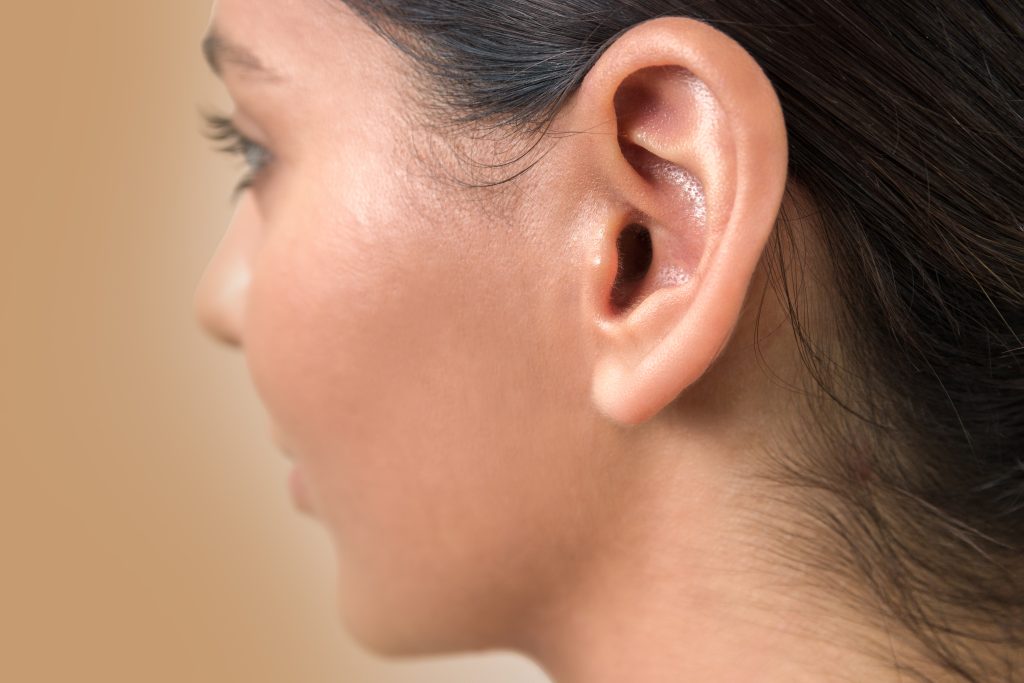
A well-planned Ear Reshaping Surgery in Dubai can create a more balanced and proportionate appearance by changing the shape, position, size, or projection of the ears. The procedure Ear Reshaping Surgery in Dubai is designed around individual facial features rather than following one fixed appearance. Depending on the concern, treatment may refine prominent ears, improve uneven contours, reshape certain cartilage areas, or create a more natural relationship between the ears and the rest of the face. The final goal is generally a subtle and harmonious change that looks natural from different angles.
What Does Ear Reshaping Aim to Change?
Ear reshaping focuses on modifying the visible structure of the outer ear. The exact result depends on the original anatomy, the amount of reshaping required, and the treatment approach selected during assessment.
Common changes may include:
- Bringing ears closer to the head when they appear overly prominent
- Improving the overall contour of the outer ear
- Creating greater balance between both ears
- Refining the appearance of uneven cartilage
- Adjusting the shape of specific ear structures
- Improving overall facial proportion
The intention is not necessarily to make both ears perfectly identical. Natural ears usually have small differences, so a successful result often focuses on improved balance rather than artificial symmetry.
What Results Can Prominent Ear Correction Deliver?
Prominent ears may attract attention because they extend farther from the sides of the head than desired. Reshaping can modify the position and contour of the ears so they sit in a more balanced relationship with the head.
The resulting appearance may make the ears look less noticeable while maintaining their natural characteristics. From the front, the ears may appear more proportionate, while side and angled views can show a smoother relationship between the ear and the head.
The degree of change varies according to the starting position and the structural adjustments involved. A carefully planned procedure aims for refinement rather than an overly tight or unnatural appearance.
Can Ear Size and Shape Be Refined?
Ear reshaping may also address concerns related to the size or contour of particular parts of the ear. When certain structures appear disproportionate, carefully planned tissue and cartilage adjustments can create a more balanced outline.
The visible improvement may involve:
- A smoother outer ear contour
- More defined folds
- Better proportionality between different ear structures
- A more balanced appearance from multiple viewing angles
The result depends heavily on the natural anatomy of the ear. Since cartilage thickness, elasticity, and shape differ between individuals, the final appearance is personalized rather than identical from one person to another.
Can Uneven Ears Become More Balanced?
Minor differences between the ears are common, and complete symmetry is rarely the objective. However, noticeable differences in position, shape, or projection may sometimes be addressed through customized reshaping.
Treatment planning considers both ears together so that adjustments support overall facial harmony. One ear may require a slightly different structural adjustment from the other to create a more balanced visual result.
This approach helps preserve a natural appearance while reducing noticeable asymmetry. The objective is generally improved balance rather than mathematical perfection.
What Can the Surgical Approach Achieve?
Surgical ear reshaping, commonly involving otoplasty techniques, allows structural changes to the cartilage and positioning of the ear. Depending on the individual concern, the procedure may involve reshaping cartilage, repositioning the ear, or refining particular contours.
The surgical approach can provide a more substantial structural change because it directly addresses the framework responsible for the ear’s shape and position.
The expected result may include a closer ear position, refined folds, improved contours, or a more proportionate appearance. The exact technique is selected according to the anatomy and desired correction.
What Can Non-Surgical Ear Reshaping Achieve?
Non-surgical approaches may be considered for selected concerns where structural alteration is limited. These methods generally focus on subtle contour refinement rather than major repositioning of the ear.
The potential result depends on the treatment method, the specific area being addressed, and the individual’s anatomy. Non-surgical reshaping may be more suitable for carefully selected minor concerns, while significant structural changes may require a surgical approach.
Because the two approaches can address different types of concerns, an individual assessment is important before determining which treatment is appropriate.
How Long Can the Results Last?
The durability of the result depends on the treatment used and the structural changes performed. Surgical reshaping is intended to create long-lasting changes to the ear’s shape and position. Once the cartilage has settled into its newly shaped structure, the visible improvement can remain for many years.
Natural aging can gradually influence the appearance of the ears over time, but this does not mean that the original concern automatically returns. Individual healing and tissue characteristics also influence the long-term appearance.
When Do the Final Results Become Noticeable?
The appearance of the ears can change gradually as the tissues settle following treatment. Early changes may be visible relatively soon, but the final contour is usually assessed after the healing process has progressed.
Patience is important because swelling and temporary tissue changes can affect the early appearance. As the tissues mature, the contours generally become more defined and easier to evaluate.
The final outcome is therefore better judged after sufficient healing rather than immediately following treatment.
What Makes the Results Look Natural?
Natural-looking ear reshaping depends on proportion, conservative planning, and attention to individual anatomy. An ear that is positioned or shaped appropriately in relation to the head and face is more likely to appear harmonious.
Important considerations include:
- Maintaining natural-looking ear contours
- Preserving appropriate anatomical proportions
- Creating balanced positioning
- Avoiding excessive correction
- Considering facial structure during treatment planning
A natural result does not necessarily mean that the ears become unnoticeable. Instead, the ears can look appropriately proportioned without drawing unnecessary attention.
What Factors Influence the Final Appearance?
Several individual factors can affect the outcome. The original ear structure, cartilage characteristics, degree of prominence, age, tissue response, and selected technique all play a role.
Realistic expectations are also important. Every person’s anatomy is different, so results cannot be reproduced exactly from another person’s outcome. A personalized assessment helps establish what type of improvement can reasonably be achieved.
Frequently Asked Questions
Can ear reshaping change the position of the ears?
Yes. Surgical techniques can reposition ears closer to the head when excessive projection is the primary concern. The amount of repositioning depends on the individual’s anatomy and treatment plan.
Can ear reshaping improve both ears at the same time?
Yes. Treatment can be planned for both ears when changes are desired on both sides. Adjustments may be customized independently to improve overall balance.
Will the ears look completely identical after treatment?
Not necessarily. Natural facial structures are rarely perfectly symmetrical. The aim is generally to create improved balance and proportion while preserving a natural appearance.
Can ear reshaping change the overall facial appearance?
It can influence facial balance because the ears contribute to the proportions visible from front, side, and angled views. Changes to ear position or contour may therefore create a more harmonious overall appearance.
Are the results intended to be permanent?
Surgical reshaping is generally designed to create long-lasting structural changes. The longevity of the outcome can vary according to individual anatomy, tissue characteristics, and the type of correction performed.
Conclusion
Overall, Ear Reshaping Surgery in Dubai can deliver meaningful changes in ear position, contour, proportion, and symmetry while aiming to preserve a natural appearance. Surgical treatment can address structural concerns more extensively, while selected non-surgical approaches may provide subtle refinement for appropriate cases. The most suitable outcome depends on individual anatomy, the concern being addressed, and realistic treatment planning. When the procedure is carefully tailored to the person’s features, the resulting changes can create a more balanced and harmonious appearance without making the ears look artificially altered.