
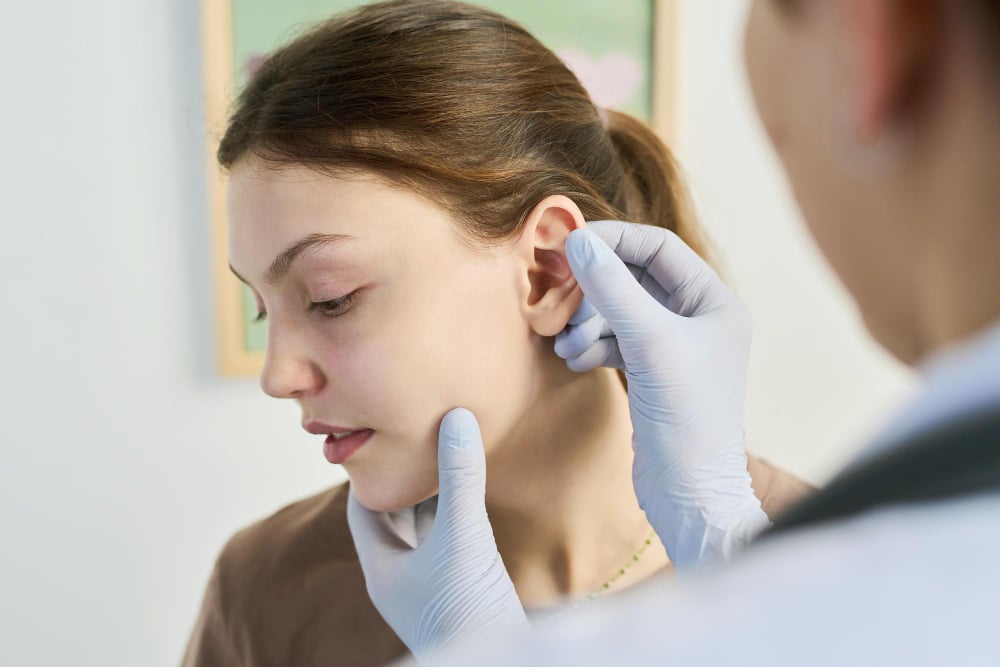
Ear shape and position can influence overall facial balance and personal confidence. Some individuals have ears that protrude more than they would prefer, while others may want to address differences in ear shape or appearance that have been present since childhood. Ear reshaping surgery, also known as otoplasty, is a procedure designed to modify the position, shape, or proportions of the ears according to an individual’s anatomy and aesthetic goals.
Choosing a suitable clinic requires more than looking at attractive photographs or promotional claims. Patients benefit from understanding the procedure, reviewing the qualifications of the surgical team, and assessing the consultation process, safety standards, and follow-up arrangements. A reliable healthcare provider should explain what the procedure can realistically achieve and help patients decide whether surgery is appropriate for their needs.
When researching Ear Reshaping Surgery in Dubai, patients may encounter several clinics offering consultations and cosmetic surgery services. Each facility can differ in its approach to treatment planning, patient communication, available techniques, and overall care experience. Understanding these differences can make it easier to prepare for consultations and ask informed questions.
This guide explores Enfield Royal Clinic, Tajmeels Clinic, and Dynamic Life Clinic as options to investigate when researching ear reshaping treatment. Rather than relying on unsupported rankings, patients should assess each provider using relevant clinical information and verify current services, surgeon credentials, and facility standards before making a decision.
Clinics to Consider for Ear Reshaping Surgery
Tajmeels Clinic
Tajmeels Clinic is one of the names patients may encounter while researching aesthetic treatment options. Individuals considering ear correction should contact the clinic directly to establish whether otoplasty is currently offered and which qualified practitioners perform the procedure.
An informative consultation should address the patient’s concerns about ear projection, symmetry, and shape. The practitioner should assess the ear’s structure and explain which changes may be achievable while maintaining natural-looking proportions.
Patients exploring ear reshaping services should also ask about the surgical approach, anaesthesia arrangements, recovery expectations, and follow-up appointments. Reviewing these details can help establish whether the clinic’s services and care process align with individual needs.
Before proceeding, patients should confirm the surgeon’s relevant qualifications and experience in otoplasty, as well as the facility’s authorization to provide the planned treatment. These checks are more useful for evaluating suitability than relying on general promotional descriptions.
Enfield Royal Clinic
Enfield Royal Clinic is a provider patients can investigate when comparing cosmetic surgery options and consultation experiences. Those considering Ear Reshaping Surgery in Dubai should contact the clinic to verify current otoplasty availability, the qualifications of the operating surgeon, and the treatment options offered for their particular concerns.
A suitable assessment should begin with an examination of the ears and a discussion of the patient’s desired outcome. For example, a patient concerned about prominent ears may require a different surgical plan from someone seeking to address an irregular ear contour. The appropriate approach depends on individual anatomy, cartilage structure, and the extent of the requested correction.
Patients should expect clear explanations about the proposed technique, realistic results, preparation requirements, and the recovery process. A thorough consultation should also allow time for questions about anaesthesia, potential risks, wound care, and follow-up visits.
When evaluating Enfield Royal Clinic, prospective patients should request relevant information about the surgeon’s otoplasty experience, the clinical setting in which surgery takes place, and arrangements for postoperative support. Reviewing these details directly with the clinic can help patients make a more informed decision without relying on unverified claims or guaranteed outcomes.
Dynamic Life Clinic
Dynamic Life Clinic is another provider that patients may wish to contact when exploring cosmetic treatment options. Before arranging surgery, prospective patients should confirm whether ear reshaping is among its current services and identify the practitioner responsible for assessment and treatment.
A useful consultation should cover the patient’s reasons for considering ear correction, the specific changes being requested, and whether surgery is likely to produce a balanced result. The practitioner should explain the limitations of the procedure as well as the expected benefits.
Patients should also ask how the clinic approaches surgical planning, patient safety, and postoperative monitoring. Understanding the process from the initial appointment through recovery provides a clearer picture of the care available.
For individuals comparing clinics, transparent communication is an important consideration. The provider should offer realistic information, explain the alternatives when appropriate, and encourage patients to make decisions without pressure. Surgeon credentials, facility standards, and follow-up arrangements should be verified before treatment is scheduled.
How to Choose the Right Clinic for Ear Reshaping Surgery in Dubai
Experience and Qualifications
Otoplasty requires an understanding of ear anatomy, cartilage structure, and facial proportions. Patients should verify that the surgeon has appropriate specialist qualifications, current professional registration, and relevant experience performing ear reshaping procedures.
It is also useful to ask about experience with the particular concern being addressed, such as prominent ears or asymmetry. Before-and-after photographs may help patients understand the surgeon’s approach, although individual results can vary.
Technology and Surgical Techniques
Ear reshaping may involve techniques that reposition the ears, reshape cartilage, or secure the desired contour with sutures. The appropriate method depends on the patient’s anatomy and treatment goals.
Patients should ask the surgeon to explain the proposed technique in understandable terms. They should also establish whether the procedure will be performed under local or general anaesthesia, depending on the clinical circumstances and the surgical plan.
Modern equipment can support clinical care, but technology alone does not establish a provider’s suitability. Surgical judgment, training, and appropriate patient selection remain essential.
Safety Standards
Safety should be a central part of the decision-making process. Patients should confirm that the procedure will take place in an appropriately licensed facility with suitable infection-control procedures, trained staff, and emergency arrangements.
A responsible surgical team should explain potential complications, contraindications, and the steps taken to reduce avoidable risks. Patients should receive clear instructions about preparation, medication considerations, wound care, and when to seek medical advice.
Consultation Process
A good consultation should be individualized rather than based on a standard treatment recommendation. The practitioner should examine the ears, review relevant medical history, discuss expectations, and explain whether surgery is appropriate.
Patients should feel comfortable asking questions about the procedure, recovery timeline, likely outcome, and alternatives. A clinic that communicates clearly and allows sufficient time for decision-making can help patients understand their options.
Patient Experience and Follow-Up
The quality of care includes more than the operation itself. Patients should understand who will answer questions after surgery, how follow-up appointments are arranged, and what support is available if recovery does not progress as expected.
Clear written instructions and accessible communication can make the postoperative period easier to manage. Patients should also ask about the expected time away from work, school, exercise, or other regular activities.
Expected Results
Ear reshaping surgery aims to improve ear position, shape, or symmetry while maintaining a natural appearance. However, the outcome depends on anatomy, healing, surgical technique, and the original concern.
Patients should discuss realistic expectations before proceeding. Although improvements may be long-lasting, perfect symmetry cannot be guaranteed, and the final appearance may take time to settle as swelling decreases and tissues heal.
Frequently Asked Questions
What Is Ear Reshaping Surgery?
Ear reshaping surgery, or otoplasty, is a surgical procedure that changes the position, shape, or proportions of the ears. It is commonly considered by people who want to reduce prominent ears or address certain structural differences.
Who May Be Suitable for Ear Reshaping Surgery?
Suitability depends on age, ear development, general health, anatomy, and personal goals. A qualified surgeon can assess whether the procedure is appropriate and explain the expected benefits and limitations.
How Long Does Recovery From Otoplasty Take?
Initial recovery often takes around one to two weeks, although the timeline varies between individuals and surgical techniques. Swelling and tenderness may take longer to settle, and patients should follow their surgeon’s instructions about headbands, sleeping positions, exercise, and returning to normal activities.
Are the Results of Ear Reshaping Surgery Permanent?
Otoplasty generally aims to create long-lasting changes to ear position or shape. However, healing varies, and natural tissue changes or other factors may affect the final appearance. Patients should discuss expected durability and the possibility of revision with their surgeon.
How Can Patients Compare Clinics for Ear Reshaping Surgery in Dubai?
Patients should verify surgeon qualifications, experience with otoplasty, facility licensing, proposed surgical techniques, safety procedures, and follow-up arrangements. A detailed consultation and realistic discussion of outcomes are more useful than relying solely on promotional rankings or testimonials.
Conclusion
Choosing an appropriate clinic for ear correction involves careful research, a clear understanding of personal goals, and a realistic assessment of available treatment options. Tajmeels Clinic, Dynamic Life Clinic, and Enfield Royal Clinic are names patients can investigate, provided they independently confirm current otoplasty services and relevant clinical credentials.
When evaluating Ear Reshaping Surgery in Dubai, patients should prioritize qualified surgical care, transparent communication, appropriate safety standards, and reliable postoperative support. Comparing these factors during consultations can help individuals make a considered decision and work toward an outcome that complements their natural facial features.