
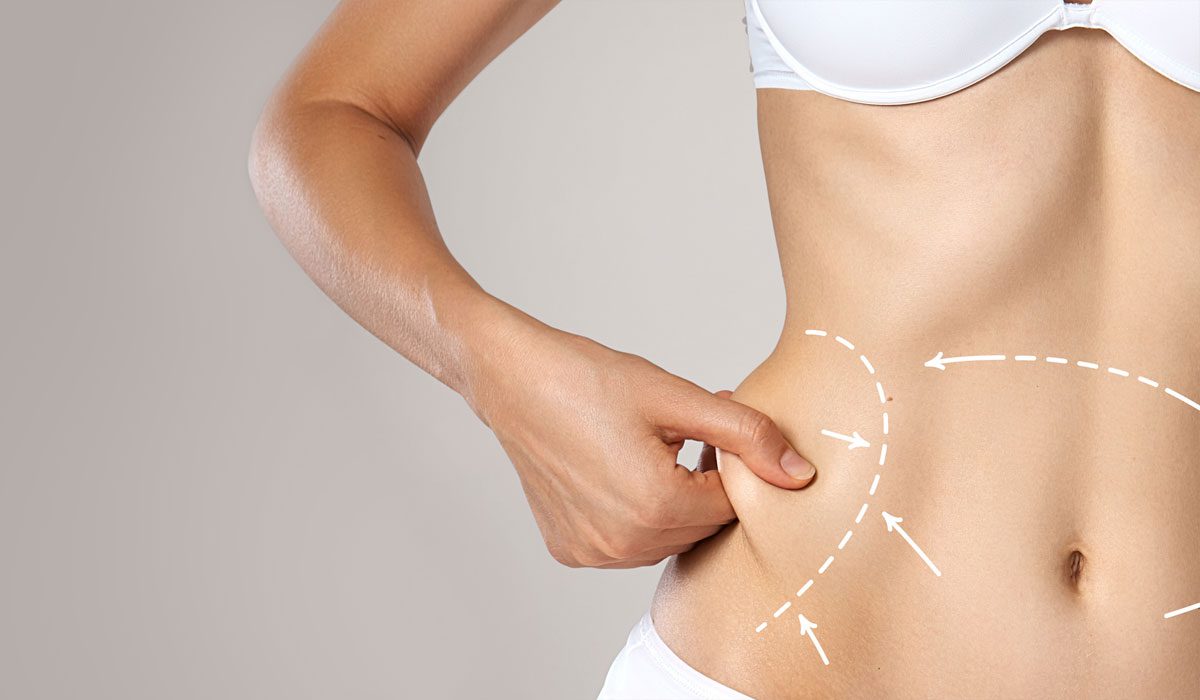
iposuction is a body-contouring procedure designed to remove stubborn pockets of fat and create a more defined body shape. For individuals who struggle with fat deposits that remain despite regular exercise and a balanced lifestyle, Liposuction Uae is a topic worth understanding before considering treatment. Knowing how the procedure works, what happens during each stage, and how recovery is managed can help individuals make informed decisions about their body-contouring goals.
Understanding the Liposuction Procedure
Liposuction is a surgical technique that removes excess fat from specific areas of the body. It is commonly considered for areas such as the abdomen, thighs, hips, upper arms, back, and chin. The primary purpose is to improve body contours rather than provide an overall weight-loss solution.
The procedure generally involves making small incisions, introducing a thin tube called a cannula, and carefully removing unwanted fat through suction. The exact approach depends on the treatment area, the amount of fat being addressed, and the individual’s anatomy.
Liposuction is most suitable for individuals who are close to their desired weight and have localized fat deposits. A qualified medical professional assesses whether the procedure aligns with their expectations and overall health.
Initial Consultation and Body Assessment
The first step involves a detailed consultation and physical assessment. During this stage, the individual discusses their concerns, preferred body contours, and expectations for the outcome.
The assessment usually considers:
- The areas where fat removal is desired
- Existing body proportions and skin elasticity
- General health and relevant medical history
- Previous procedures and current medications
- Personal goals and realistic expectations
This discussion helps establish an appropriate treatment plan. The professional also explains the available techniques, the expected recovery process, and the limitations of fat removal.
Preparing for the Procedure
Preparation is an important stage because it helps ensure that the procedure is planned according to the individual’s needs. The medical team reviews the person’s health history and determines whether additional examinations or tests are appropriate.
The individual may receive instructions about eating, drinking, smoking, and adjusting certain medications before surgery. Any medication changes should only be made under the guidance of the prescribing professional.
The treatment areas may be marked before the procedure to identify where fat removal is planned. These markings help guide the surgical approach and support a more balanced contour.
Preparation also involves arranging assistance for the initial recovery period, particularly when general anesthesia or extensive treatment is planned.
Choosing the Appropriate Liposuction Technique
Different techniques can be used to remove unwanted fat. The most appropriate method depends on the treatment area, the amount of fat involved, and the individual’s medical circumstances.
Traditional Suction-Assisted Liposuction
Traditional suction-assisted liposuction involves inserting a narrow cannula through small incisions. The cannula is moved carefully through the targeted fat layer while suction removes the unwanted fat.
This method allows the professional to shape selected areas while considering the surrounding tissues and overall body proportions.
Ultrasound-Assisted Liposuction
Ultrasound-assisted liposuction uses ultrasound energy to help break down fat before it is removed through suction. The technique may be considered for particular treatment areas and clinical circumstances.
The suitability of this method depends on the individual’s anatomy, the intended treatment area, and the professional’s assessment.
Both techniques aim to improve body contours through targeted fat removal, but they differ in how the fat is prepared for extraction. The treatment plan should be based on clinical suitability rather than the assumption that one technique is best for everyone.
Anesthesia and Treatment Area Preparation
Before fat removal begins, anesthesia is administered according to the planned procedure. Local anesthesia may be appropriate for selected smaller treatments, while general anesthesia may be recommended for more extensive procedures.
In some cases, a special fluid containing anesthetic and medication to reduce bleeding is introduced into the treatment area. This approach is commonly associated with tumescent liposuction and helps prepare the tissues for fat removal.
The surgical team monitors the individual’s condition throughout the procedure. The type of anesthesia and monitoring required depend on the extent of treatment and the person’s health.
Making Small Incisions
Once the treatment area has been prepared, the professional creates small incisions in carefully selected locations. These openings provide access for the cannula used during fat removal.
Incisions are generally positioned to support access to the targeted areas while considering the body’s natural contours. Their number and placement vary according to the treatment plan.
The size and location of the openings depend on the technique used and the area being treated. Careful planning helps the professional reach the intended fat deposits while maintaining attention to surrounding structures.
Removing Unwanted Fat
Fat removal is the central stage of liposuction. A thin cannula is inserted through the incisions and moved in controlled directions within the targeted fat layer. Suction then removes the selected fat deposits.
The professional works gradually to improve the shape of the area and maintain balanced proportions. Removing too much fat from one location can interfere with a smooth contour, so the amount extracted must be guided by the individual’s anatomy and treatment goals.
The duration of the procedure depends on the number of areas being treated, the technique used, and the complexity of the planned contouring.
Closing the Incisions and Completing Treatment
After the planned fat removal is completed, the professional assesses the treated areas and determines how the small incisions should be managed. Some openings may be left partially open to allow fluid to drain, while others may be closed according to the surgical approach.
Dressings or compression garments may be applied when clinically appropriate. These measures can help manage swelling and support the treated tissues during recovery.
The individual is then transferred to an appropriate recovery area, where the medical team monitors their condition as the effects of anesthesia begin to wear off.
Recovery and the Healing Process
Recovery is an important part of the overall treatment journey. Temporary swelling, bruising, tenderness, and changes in sensation can occur after surgery. The degree and duration of these changes depend on the treatment area and the extent of fat removal.
The medical team provides individualized instructions about movement, hygiene, compression garments, and returning to everyday activities. Follow-up appointments allow the professional to assess healing and answer questions during recovery.
Individuals should follow their prescribed recovery plan and avoid returning to strenuous activities until medically cleared. Severe or unexpected symptoms require prompt medical assessment.
The final contour does not appear immediately because the body needs time for swelling to settle and the tissues to adapt. Visible improvements may develop gradually over several weeks or months.
Benefits of Liposuction
Liposuction can offer several potential benefits for appropriately selected individuals. Its main purpose is to reshape specific areas rather than substantially reduce body weight.
Potential benefits include:
- Reducing localized fat deposits that are difficult to address through lifestyle measures alone
- Improving the definition of selected body areas
- Creating more balanced body proportions
- Allowing targeted treatment of different areas during an appropriately planned procedure
- Supporting greater satisfaction with body contours when expectations are realistic
The results depend on the individual’s anatomy, skin elasticity, healing process, and the amount of fat removed. Maintaining a stable weight can help preserve the results over time.
Who May Be Suitable for Liposuction?
Liposuction may be appropriate for individuals who have localized fat deposits, relatively stable body weight, and expectations that align with the capabilities of the procedure.
Good skin elasticity can help the treated area adapt to its new shape. Individuals with significant loose skin may require a different treatment plan because removing fat alone does not reliably tighten excess skin.
A medical assessment is essential for determining suitability. Liposuction is not intended to treat obesity or replace long-term habits that support general health.
Frequently Asked Questions
How Long Does Liposuction Take?
The procedure may take from around one hour to several hours, depending on the number of areas treated, the technique, and the complexity of the planned work.
Is Liposuction a Weight-Loss Procedure?
No. Liposuction is designed to remove localized fat and improve body contours. It is not a substitute for weight management or a treatment for obesity.
When Can Results Become Visible?
Some changes may be noticeable relatively early, but swelling can temporarily conceal the final shape. Results usually become clearer over several weeks or months as healing progresses.
Can Liposuction Treat More Than One Area?
Yes, multiple areas may be treated during one procedure when medically appropriate. The decision depends on the person’s health, the planned treatment extent, and the professional’s assessment.
Does Liposuction Permanently Remove Fat?
The fat cells removed during liposuction do not grow back in the same way. However, remaining fat cells can enlarge if weight increases, which may change the body’s contours.
Conclusion
Understanding the steps involved in liposuction helps individuals approach body contouring with realistic expectations and greater confidence. From the initial consultation and technique selection to targeted fat removal and recovery, each stage contributes to the overall treatment experience. Liposuction Uae remains a relevant search topic for individuals exploring surgical body contouring, but the most important considerations are personal suitability, appropriate clinical assessment, and a clear understanding of the procedure’s limitations. With careful planning and a medically supervised recovery, suitable individuals may achieve more defined body contours while maintaining a balanced approach to long-term health.