
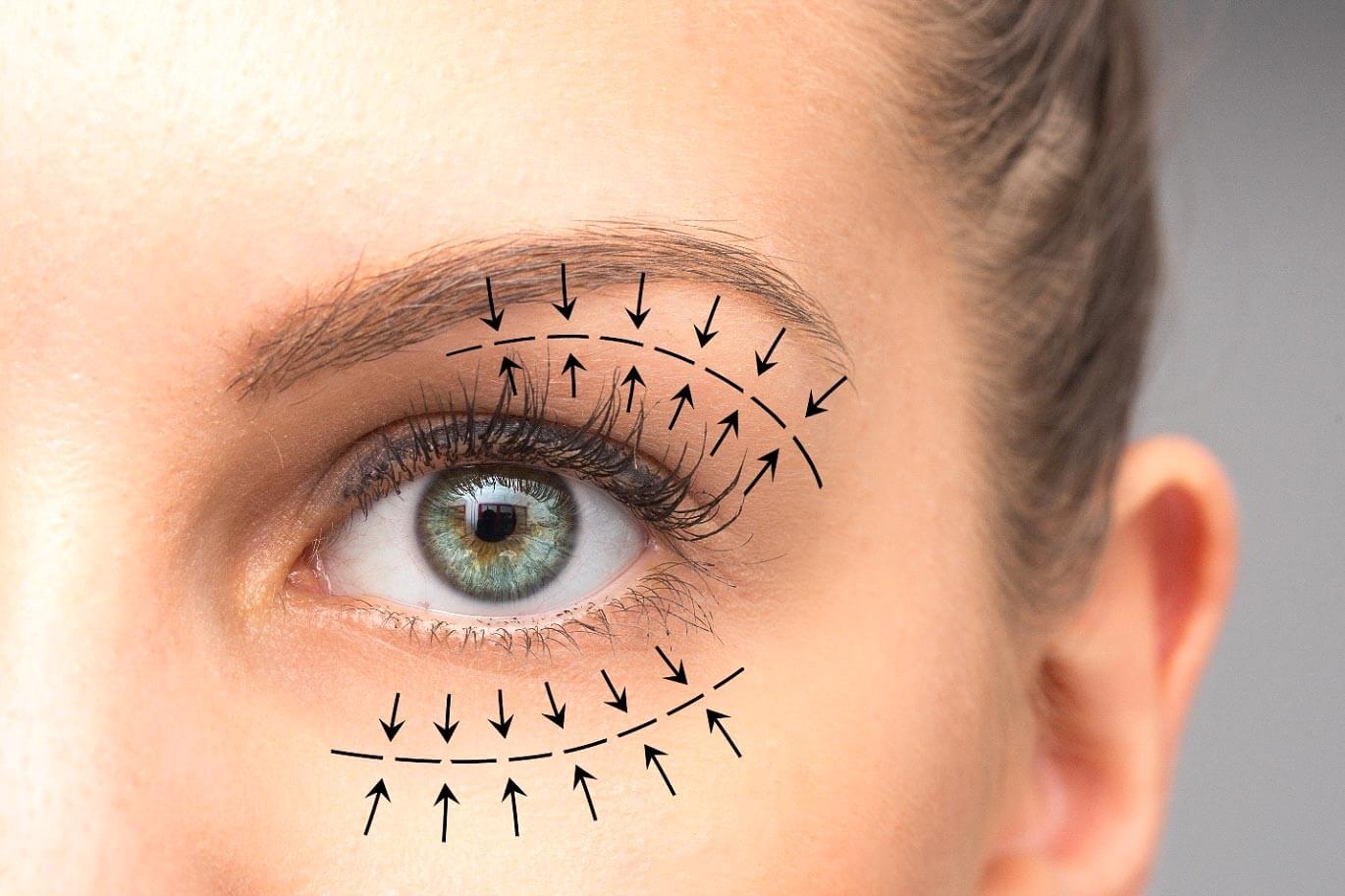
Eyelid surgery is a personalized procedure designed to improve the appearance of the eyes by addressing excess skin, puffiness, and changes around the eyelids. Understanding why Eyelid Surgery Dubai Pricevaries helps individuals recognize how treatment requirements, surgical techniques, and personal goals influence the overall procedure. Every person has a unique facial structure, eyelid condition, and desired outcome, which means the same approach may not be suitable for everyone. Learning about the different treatment options and the factors that determine surgical planning allows individuals to make informed decisions and develop realistic expectations.
Understanding Why Eyelid Surgery Pricing Varies
Eyelid surgery does not follow a single standard approach because each individual presents different concerns. Some people experience loose skin on the upper eyelids, while others notice under-eye bags, puffiness, or changes in the appearance of the lower eyelids. The extent of these concerns determines the complexity of the procedure and the techniques required to achieve a balanced appearance.
A personalized assessment helps identify the most appropriate treatment plan. The evaluation considers eyelid anatomy, skin elasticity, facial proportions, and the individual’s expectations. These factors explain why treatment plans may differ even when two people appear to have similar concerns.
The Two Main Types of Eyelid Surgery
Eyelid surgery generally includes two primary treatments: upper eyelid surgery and lower eyelid surgery. Each procedure focuses on a different area and addresses specific aesthetic or functional concerns.
Upper Eyelid Surgery
Upper eyelid surgery, also known as upper blepharoplasty, focuses on the skin and tissues surrounding the upper eyelids. With age, the skin may lose elasticity and begin to droop, creating a tired appearance. In some cases, excess skin can also interfere with the upper field of vision.
The procedure involves carefully removing or repositioning selected tissue to create a smoother and more defined eyelid contour. The surgical plan depends on the amount of excess skin, the position of the eyelid crease, and the individual’s natural eye shape.
Several considerations influence the complexity of upper eyelid surgery, including:
- The amount of loose or excess skin.
- The distribution of underlying fatty tissue.
- The natural position and symmetry of the eyelids.
- Whether functional concerns require additional evaluation.
- The individual’s desired aesthetic outcome.
A person with mild skin laxity may require a different approach from someone with substantial excess tissue. This difference contributes to variations in treatment planning.
Lower Eyelid Surgery
Lower eyelid surgery, also called lower blepharoplasty, addresses concerns beneath the eyes. These may include prominent under-eye bags, loose skin, and changes in the transition between the lower eyelids and cheeks.
The treatment may involve removing or repositioning fat, tightening selected tissues, or addressing excess skin when appropriate. The technique depends on the condition of the lower eyelids and the surrounding facial structures.
Lower eyelid procedures can require detailed planning because the skin is delicate and the tissues must be managed carefully to maintain a natural appearance. The presence of under-eye hollows, skin laxity, or prominent fat deposits can influence the surgical approach.
Why the Extent of Treatment Matters
The extent of treatment is one of the main reasons surgical plans differ. Individuals with minor eyelid concerns may need a relatively limited procedure, while those with more noticeable changes may require a more involved approach.
The surgeon evaluates the amount of tissue that needs attention, the quality of the skin, and the relationship between the eyelids and surrounding facial features. These details help determine the procedure’s scope.
A comprehensive evaluation may also identify whether concerns involve the upper eyelids, lower eyelids, or both. When both areas require treatment, the overall surgical plan becomes more extensive than a procedure targeting only one area.
How Surgical Techniques Influence Treatment Planning
Different surgical techniques are suitable for different eyelid conditions. The choice depends on the individual’s anatomy, the location of excess tissue, and the desired result.
For upper eyelid surgery, an incision is commonly placed within the natural eyelid crease when appropriate. This placement helps conceal the resulting scar within the natural contour of the eyelid.
For lower eyelid surgery, the incision may be placed just beneath the eyelashes or inside the lower eyelid, depending on the treatment objectives. An external approach may be suitable when excess skin requires attention, while an internal approach may be considered for selected individuals with prominent fat deposits and limited skin laxity.
The appropriate technique is determined through a professional assessment rather than personal preference alone. The complexity of the chosen approach can influence the resources, surgical time, and expertise needed for the procedure.
The Importance of Individual Eyelid Anatomy
No two faces are exactly alike, and eyelid anatomy plays an important role in surgical planning. Factors such as eye shape, eyelid symmetry, skin thickness, and the position of surrounding tissues can influence the recommended approach.
Some individuals have naturally deep-set eyes, while others have prominent eyelids or differences between the two sides of the face. These characteristics require careful consideration to help maintain facial harmony.
The assessment may also examine brow position and the relationship between the forehead and upper eyelids. In some cases, what appears to be excess eyelid skin may partly relate to a lowered brow. Identifying the source of the concern helps establish an appropriate treatment plan.
Can Upper and Lower Eyelid Surgery Be Performed Together?
Upper and lower eyelid surgery can sometimes be performed during the same session. This option may suit individuals who have concerns affecting both areas and whose overall health and anatomy make combined treatment appropriate.
Treating both areas together requires coordinated planning. The surgeon considers the extent of tissue removal or repositioning, the expected procedure duration, and the individual’s medical suitability.
However, combined treatment is not necessary for everyone. Some individuals may benefit from addressing only the upper or lower eyelids, depending on their primary concerns. The final recommendation should reflect individual needs rather than a standard package.
The Role of Consultation and Assessment
A detailed consultation helps explain why treatment plans vary and what each individual may need. During the assessment, the surgeon reviews medical history, examines the eyelids, discusses expectations, and determines whether the procedure is appropriate.
The consultation may include an evaluation of:
- Skin laxity and tissue distribution.
- Eyelid position and symmetry.
- Under-eye bags and hollows.
- Brow position and surrounding facial anatomy.
- Visual or functional concerns.
- Relevant medical conditions and previous eye procedures.
This process helps establish a treatment plan based on clinical findings. It also gives individuals an opportunity to ask questions about the surgical technique, expected recovery, and realistic outcomes.
Benefits of a Personalized Eyelid Surgery Plan
A personalized treatment plan focuses on achieving an appropriate result while respecting the natural structure of the eyes. Rather than following a uniform method, the approach is tailored to the concerns identified during the assessment.
Potential benefits may include a more defined upper eyelid crease, reduced prominence of under-eye bags, a smoother transition between the eyelids and cheeks, and a more refreshed appearance.
When excess upper eyelid skin affects vision, an appropriate functional assessment can also determine whether surgery may help address the problem. The expected benefits depend on the individual’s condition and the specific procedure performed.
What Should Individuals Ask Before Surgery?
Before deciding on eyelid surgery, individuals should understand the recommended procedure and the reasons behind the treatment plan. Clear communication helps establish realistic expectations and supports informed decision-making.
Useful questions include:
- Which eyelid areas require treatment?
- Is upper eyelid surgery, lower eyelid surgery, or a combined procedure appropriate?
- Which surgical technique is recommended, and why?
- What results can reasonably be expected?
- What medical assessments are needed before surgery?
- What is the expected recovery period?
- What factors determine the final treatment plan?
These questions help individuals understand the scope of the procedure and make decisions based on their needs rather than assumptions.
Frequently Asked Questions
Why does eyelid surgery vary from person to person?
Treatment varies because individuals have different eyelid conditions, skin elasticity, tissue distribution, and aesthetic goals. These differences influence the recommended technique and the complexity of the procedure.
Is upper eyelid surgery different from lower eyelid surgery?
Yes. Upper eyelid surgery primarily addresses excess skin and tissue around the upper eyelids, while lower eyelid surgery focuses on under-eye bags, loose skin, and changes in the lower eyelid contour.
Can both eyelids be treated during one procedure?
Yes, selected individuals may undergo upper and lower eyelid surgery during the same session. Suitability depends on their anatomy, medical history, and overall treatment requirements.
How long does eyelid surgery take?
The duration depends on whether the procedure involves the upper eyelids, lower eyelids, or both. Surgical technique and individual treatment requirements also influence the time needed.
How can individuals understand their treatment requirements?
A professional consultation provides an opportunity to assess eyelid anatomy, discuss concerns, review medical history, and establish an individualized surgical plan.
Conclusion
Understanding the reasons behind variations in eyelid surgery planning allows individuals to approach treatment with greater confidence and realistic expectations. The main factors include the extent of excess skin, the distribution of fatty tissue, individual anatomy, the selected surgical technique, and whether the upper eyelids, lower eyelids, or both require attention. A thorough consultation helps clarify these details and explains which approach best matches the individual’s concerns. Eyelid surgery is not a uniform procedure; its effectiveness depends on careful evaluation, appropriate technique selection, and respect for natural facial proportions. By understanding the distinction between upper and lower eyelid surgery and asking informed questions, individuals can make thoughtful decisions about improving eyelid definition, reducing the appearance of puffiness, and achieving a refreshed, balanced appearance.